
Bank of England Maintains Interest Rates Amid Fears of Iran Conflict

The Human Cost of Inflation and Conflict
As the Bank of England (BoE) maintains interest rates at 4.25% amidst escalating tensions from the ongoing conflict in Iran, families across the UK are grappling with rising living costs. Inflation, which stood at approximately 5.4% in 2025, continues to erode purchasing power, rendering everyday necessities increasingly unaffordable. The impact is palpable, with consumers facing higher energy prices and ongoing supply chain disruptions.
Background and Context
The geopolitical landscape has shifted dramatically in 2026, with the conflict in Iran generating significant uncertainty in global markets. Historically, geopolitical unrest has led to inflationary pressures, prompting central banks to adopt cautious monetary policies. As of May 2026, the conflict has contributed to a 15% surge in global oil prices, exacerbating inflation concerns worldwide.
In 2023, the UK faced similar inflationary challenges, leading the BoE to adjust its monetary policy. However, the current situation is more complex, with intertwined risks of inflation and geopolitical instability affecting economic forecasts.
Current Developments
On May 10, 2026, the Bank of England reaffirmed its decision to hold interest rates steady, emphasizing its commitment to stabilizing the economy amid unprecedented global tensions. Governor Andrew Bailey stated,
"The decision to hold rates steady reflects our commitment to stabilizing the economy amid unprecedented global tensions."
Across the Atlantic, the Federal Reserve has also kept rates unchanged at 5.25%, mirroring concerns about inflation and geopolitical risks. The European Central Bank (ECB), maintaining its rate at 4.00%, reflects similar apprehensions in the Eurozone, where inflation hovered around 5.0% in 2025.
GDP and Financial Analysis
| Country | 2026 GDP Growth (%) | 2025 GDP Growth (%) | Inflation Rate (%) |
|---|---|---|---|
| UK | 1.2 | 2.0 | 5.4 |
| US | 2.0 | 3.5 | 4.5 |
| Germany | 1.5 | 2.0 | 5.0 |
| France | 1.3 | 2.2 | 5.2 |
UK GDP growth is projected to slow to 1.2% in 2026, down from 2.0% in 2025. The global economic growth forecast has been revised down to 3.0% from 3.5% earlier in the year, largely due to the fallout from the Iran conflict.
Country/Continent Comparison
| Continent | 2026 GDP Growth (%) | Key Drivers |
|---|---|---|
| Europe | 1.4 | Geopolitical tensions, inflation |
| North America | 2.0 | Resilient consumer spending |
Europe struggles with stagnation, while North America shows resilience. This divergence highlights the varying impacts of geopolitical tensions on economic performance across regions.
Political Consequences
The BoE's decision reflects a broader trend among central banks grappling with inflation and geopolitical risk. Christine Lagarde, President of the ECB, noted,
"Central banks worldwide are facing the challenge of balancing inflation control with economic growth."This sentiment resonates across Europe and North America, where decision-makers prioritize economic stability amid rising costs.
However, maintaining high interest rates may stifle growth in sectors already struggling with supply chain disruptions, raising concerns among economists. Some argue that more aggressive measures are necessary to combat inflation effectively.
Global Market Reaction
The stock markets reacted to the BoE's decision and the ongoing conflict with volatility. As of May 2026, the FTSE 100 dipped by 0.5%, while the S&P 500 and DAX also experienced slight declines. Investors are increasingly cautious, reflecting anxiety over rising energy prices and their economic implications.
Global oil prices reached $75.00 per barrel, significantly affecting energy markets. This increase in oil prices could further strain consumer budgets, impacting overall economic growth.
What Experts Are Saying
Economists remain divided on the efficacy of the BoE's decision. Some contend that holding rates steady is prudent, given the volatile global environment, while others argue for more decisive action. The ongoing conflict in Iran presents a unique challenge, with global supply chains already feeling the strain.
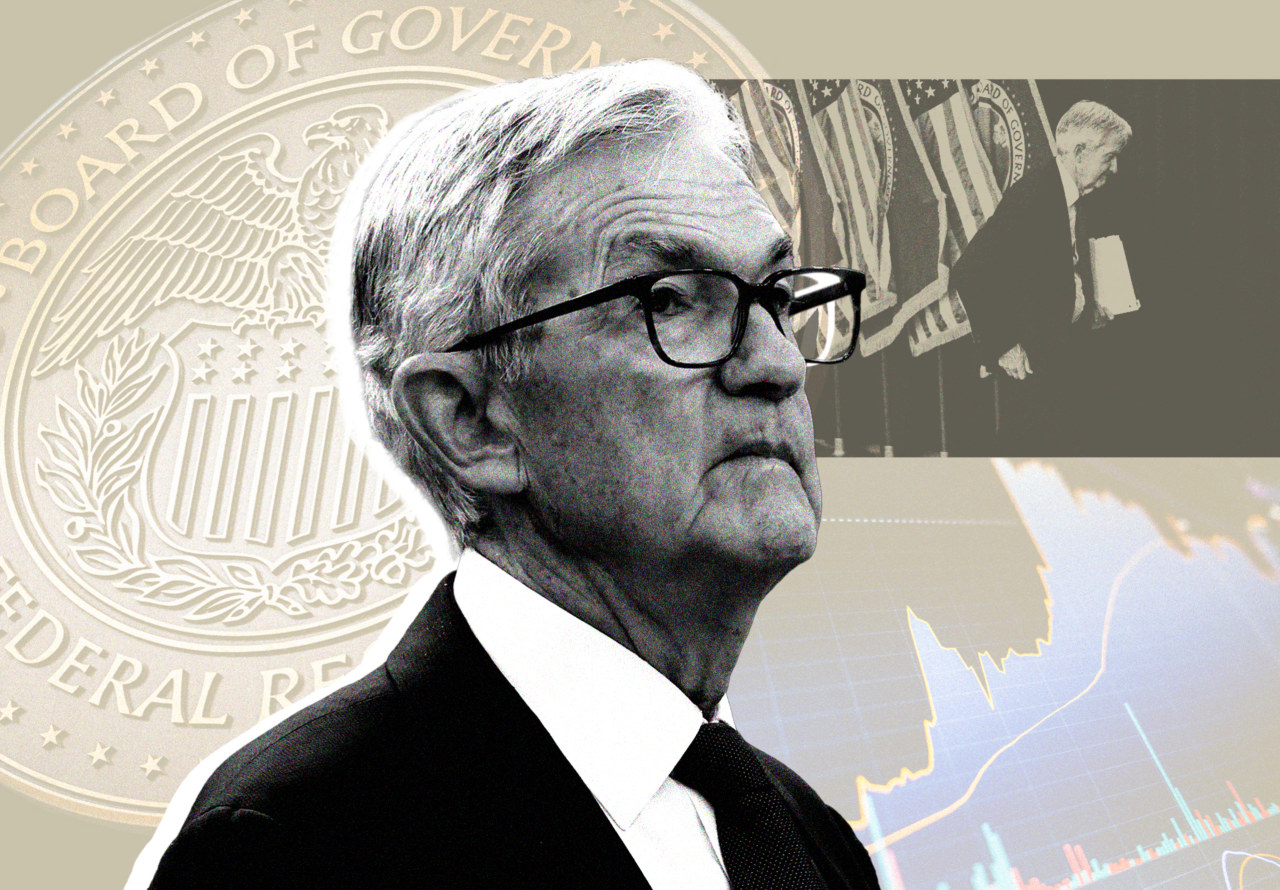
Jerome Powell, Chair of the Federal Reserve, commented,
"We are navigating a complex landscape where inflation and geopolitical risks are intertwined."This outlook suggests that central banks worldwide are likely to maintain a cautious approach in the face of uncertainty.
What Happens Next — Outlook
As the situation in Iran evolves, the potential for further disruptions in global energy supplies looms large. By 2027, analysts forecast that sustained high energy prices could continue to impact inflation and economic growth, potentially leading to increased interest rates as central banks react to persistent inflationary pressures.
Emerging markets are expected to follow the Fed's lead, maintaining rates amid rising inflation concerns. The outlook for global economic growth remains uncertain, with many analysts predicting further adjustments as geopolitical tensions persist.
The Bottom Line: What This Means For You
For consumers, the ongoing conflict in Iran and the Bank of England's decision to hold interest rates steady signal a challenging economic landscape ahead. Higher energy prices and inflationary pressures will likely continue to affect daily life, from rising grocery bills to increased transportation costs.
As central banks navigate these turbulent waters, it is crucial to stay informed about economic developments and their potential impacts on personal finances. Consumers should prepare for a prolonged period of uncertainty as geopolitical tensions persist and inflation remains a pressing concern.
Sources
- Bank of England — Interest Rate Decision May 2026
- Federal Reserve — Interest Rate Meeting May 2026
- European Central Bank — Monetary Policy Update May 2026
- Various Economic Reports — Global Inflation Trends
Primary Sources
Primary sources used
- Audacy — Bank of England joins other central banks in freezing rate cuts as Iran war upends global economy
- Peterson Institute for International Economics — Amid wartime disruptions, most emerging-market central banks will follow the Fed
- U.S. Bank — Federal Reserve keeps interest rates steady as inflation uncertainty rises
Tags
About the Author
Written by trendednews.trendednews is a passionate writer who loves sharing insights and knowledge through engaging articles.
Related Articles
Ecuador's Debt-for-Nature Swap: A Sustainable Economic Model for Latin America
Nigeria's Poverty Crisis Deepens Amid Political Instability: Outlook for 2026
Nigeria Interest Rate Hike to 24.75%: Economic Impact Explained

SEA Games 2025 Economic Impact: Boosting Thailand and Southeast Asia