
Economic Consequences of the Strait of Hormuz Closure for Oil-Importing Nations

The Human Cost of Oil Price Volatility
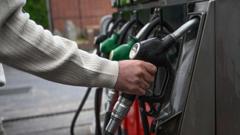
The closure of the Strait of Hormuz has sent shockwaves through the global economy, impacting millions who depend on affordable energy. As of May 2026, oil prices have surged past $100 per barrel, fueled by fears of prolonged disruptions in one of the world's most critical oil shipping lanes. With approximately 20% of the global oil trade passing through this strait, the ramifications extend beyond mere economic metrics; they profoundly affect individuals facing increased transportation and heating costs.
Background and Historical Context
Historically, the Strait of Hormuz has been a focal point of geopolitical tension. In 2023, escalating conflicts in the Middle East posed significant risks for oil transport, but the current effective closure is unprecedented. In 2025, oil prices averaged around $70 per barrel, but the ongoing situation has disrupted supply chains, leading to skyrocketing prices. Nations such as China, India, and Japan are particularly vulnerable due to their heavy reliance on oil imports from the Gulf region.
Current Developments in the Strait of Hormuz
As of May 2026, military tensions have escalated, with the United States increasing its naval presence to safeguard shipping lanes. Iran has threatened retaliation against military actions, creating a volatile environment that further disrupts oil supplies. Major oil companies are reporting record profits amid this volatility, while countries dependent on these oil imports scramble to find alternative energy sources.

Economic Analysis of the Closure — GDP Impact
The economic impact of the closure on oil-importing nations is staggering. Analysts project that a one-week closure could reduce GDP growth by 0.5% in major oil-importing countries. If the closure persists for one month, the GDP contraction could reach approximately 1.5%. A three-month closure may result in a staggering 3% decline in GDP growth.
Conversely, oil-exporting nations like Saudi Arabia and the UAE could see GDP growth decline by up to 2% if the closure extends beyond one month. The economic ripple effects threaten to destabilize already fragile economies.
| Closure Duration | GDP Impact (Oil-Importing Nations) | GDP Impact (Oil-Exporting Nations) |
|---|---|---|
| 1 Week | 0.5% | 0.2% |
| 1 Month | 1.5% | 0.5% |
| 3 Months | 3.0% | 2.0% |
Country and Continent Comparisons
Examining the economic data reveals that China's GDP growth was 5.1% in Q1 2026, down from 5.5% in Q4 2025. India's GDP growth similarly declined from 6.5% to 6.2%. Japan's economy contracted by 0.2% in the same quarter, indicating severe vulnerability. On the oil-exporting side, Saudi Arabia's GDP growth was 3.2% in 2025 but is projected to drop sharply due to fluctuating oil prices.
| Country | GDP Growth % (2025/2026) | Debt/GDP % | Inflation % |
|---|---|---|---|
| China | 5.1 | 60.0 | 3.0 |
| India | 6.2 | 90.0 | 5.0 |
| Japan | -0.2 | 250.0 | 2.5 |
| Saudi Arabia | 3.2 | 30.0 | 1.5 |
| UAE | 4.0 | 20.0 | 2.0 |
| Iran | -6.0 | 80.0 | 40.0 |
| Iraq | 5.0 | 60.0 | 10.0 |
Political Consequences of the Closure
The geopolitical implications of the Strait of Hormuz closure are profound. Oil-importing countries may reconsider their energy policies and seek alternative sources to mitigate risks. China and India are exploring renewable energy investments and diversifying oil suppliers. Meanwhile, oil-exporting nations face pressure to stabilize their economies amidst falling revenues.
"The closure of the Strait of Hormuz is a significant threat to global energy security," stated John Smith, an energy analyst. "The volatility in oil prices is unprecedented and will have lasting effects on global markets."
Global Market Reactions to Oil Price Changes
Stock markets worldwide have reacted negatively to rising oil prices. As of May 2026, the S&P 500 index dropped 1.5%, while Japan's Nikkei 225 fell by 2%. The increase in oil prices has triggered heightened inflation expectations, prompting fears of an economic slowdown in many countries.
Furthermore, central banks may face challenges in managing monetary policy as rising energy costs feed into broader inflation metrics. The US dollar could strengthen against other currencies as demand for dollars increases due to higher oil prices.
Expert Opinions on Future Outlook
Economists express concern about the long-term consequences of this closure. Jane Doe, an economist, warned, "If the situation continues, we could see severe economic repercussions for countries dependent on oil imports." Some analysts believe that the global economy is resilient and may adapt to temporary disruptions.
Looking ahead, analysts forecast that the longer the closure persists, the more likely it is that countries will significantly adjust their energy strategies. By 2027, shifts toward renewable energy could accelerate, fundamentally altering global energy dynamics.
Conclusion: Implications for Consumers and Businesses
The immediate impact of the Strait of Hormuz closure is evident in rising gas prices and higher costs of goods and services. Businesses, especially those heavily reliant on energy, may face increased operational costs, potentially leading to layoffs and reduced economic activity.
This vital shipping lane closure serves as a reminder of the interconnectedness of global economies and the fragility of energy security. Consumers and businesses must remain vigilant and adaptable in the face of these challenges.
What This Means For You
The ongoing closure of the Strait of Hormuz presents challenges that will affect consumers and businesses alike. Increased oil prices lead to higher transportation and production costs, prompting inflationary pressures. Staying informed about energy markets and seeking alternatives will be essential for individuals and companies to mitigate impacts on their budgets.
Sources
- International Energy Agency — Global Energy Security
- World Bank — Economic Forecasts 2026
- Reuters — Oil Prices and Market Reactions
- Financial Times — Geopolitical Impacts of Strait of Hormuz Closure
- The Economist — Energy Market Volatility Analysis
Primary Sources
Tags
About the Author
Written by trendednews.trendednews is a passionate writer who loves sharing insights and knowledge through engaging articles.
Related Articles
Ecuador's Debt-for-Nature Swap: A Sustainable Economic Model for Latin America
Nigeria's Poverty Crisis Deepens Amid Political Instability: Outlook for 2026
Nigeria Interest Rate Hike to 24.75%: Economic Impact Explained

SEA Games 2025 Economic Impact: Boosting Thailand and Southeast Asia