
Economic Impact of El Niño and Climate Change in the Andean Region
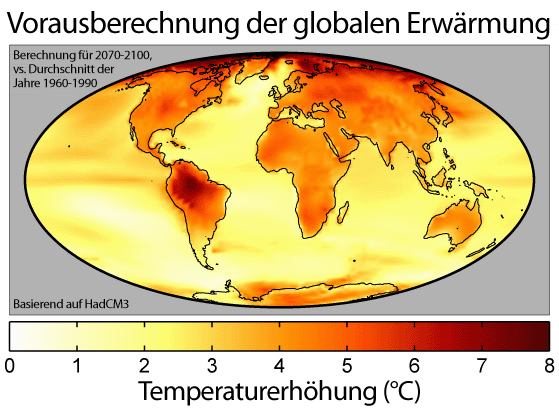
Economic Toll of Climate Change in the Andean Region
As of May 2026, the Andean region is grappling with severe economic challenges stemming from the dual threats of El Niño and long-term climate change. The agricultural sector alone is projected to suffer losses of up to $2 billion annually, while tourism has declined by 15% due to extreme weather conditions. These figures represent more than just statistics; they reflect the livelihoods at stake across Peru, Ecuador, Bolivia, and Colombia.
Background and Context
Historically, the Andean region has been vulnerable to climate variability, particularly from El Niño events. These phenomena disrupt weather patterns, resulting in floods and droughts that devastate agriculture, tourism, and mining. In 2023, El Niño caused approximately $1.5 billion in agricultural losses, significantly impacting Peru and Ecuador. As climate change accelerates, the frequency and intensity of such events are expected to rise, posing severe risks to the economic stability of these nations.
Current Developments
In 2026, regional leaders are intensifying discussions on adaptation strategies. Countries are exploring policies to enhance resilience against climate impacts. For instance, Peru has initiated interventions to support farmers affected by agricultural losses, while Ecuador is implementing measures to revitalize its tourism sector following a significant decline in 2025.
Bolivia's mining sector is also adapting, seeking alternative water sources to address shortages exacerbated by climate change. Meanwhile, Colombia is launching campaigns to attract tourists back after experiencing a 20% decline in 2025.
GDP and Financial Analysis
The economic ramifications of climate change are evident in the GDP growth projections for the Andean nations. Peru's GDP growth is expected to slow to 2.5% in 2026, down from 3.2% in 2024. Similarly, Ecuador anticipates modest growth amidst agricultural struggles, while Bolivia and Colombia are also feeling the pinch. The broader South American economy is showing stagnant growth, largely driven by ongoing climate impacts.
| Country | GDP Growth % (2026) | Debt/GDP | Inflation % |
|---|---|---|---|
| Peru | 2.5% | 30% | 4.5% |
| Ecuador | 2.1% | 60% | 5% |
| Bolivia | 3.0% | 70% | 6% |
| Colombia | 3.5% | 50% | 3.8% |
This economic landscape is compounded by anticipated inflation rates tied to rising food prices, particularly in agriculture, which will further strain local economies.
Economic Impact of El Niño and Climate Change
| Country | Agricultural Losses (2025) | Tourism Impact (2025) | Mining Output Decline (2025) |
|---|---|---|---|
| Peru | $1.5 billion | 15% decline | null |
| Ecuador | $500 million | 12% decline | null |
| Bolivia | null | null | 10% decline |
| Colombia | null | 20% decline | null |
Data sourced from the Inter-American Development Bank and other reports indicate that the agricultural sector remains the most vulnerable, with potential losses reaching $2 billion annually from climate-related disruptions.
Political Consequences
As economic pressures mount, political leaders are facing increasing scrutiny to address climate resilience. The Inter-American Development Bank estimates that adaptation costs for the Andean region could reach $5 billion by 2030, prompting calls for urgent action. Governments must balance immediate economic recovery with long-term climate strategies to secure investor confidence and protect vulnerable populations.
"The impacts of climate change are not just environmental; they are deeply economic, affecting livelihoods across the Andean region." - Climate Economist, 2026
Global Market Reaction
The economic impacts of El Niño and climate change in the Andean region may have ripple effects on global supply chains, particularly in agriculture and mining. As these countries struggle with losses, international markets could experience price fluctuations and supply shortages. The United States, a significant trade partner, may face increased prices for agricultural imports. Disruptions in mining exports could also affect U.S. industries reliant on these materials.
What Experts Are Saying
Experts emphasize the necessity of adaptation strategies to mitigate the economic impacts of climate change. Juan Carlos Salazar, a Climate Policy Advisor at the Inter-American Development Bank, asserts, "El Niño events are becoming more frequent and intense, leading to significant economic losses in agriculture and tourism." Analysts stress that proactive measures are crucial to buffer these sectors from ongoing climate threats.
Outlook for the Future
Looking ahead, the Andean region must prioritize climate resilience to safeguard its economic future. With projections indicating a gradual recovery in tourism by 2027, countries like Colombia are preparing for a rebound. However, the agricultural and mining sectors will require substantial investments in adaptation strategies. Inaction could lead to escalating economic declines and increased vulnerability for local communities.
The Bottom Line: Implications for Stakeholders
The economic impacts of climate change in the Andean region extend beyond national borders. Individuals, businesses, and policymakers must recognize the interconnectedness of these challenges. As the region grapples with adaptation costs and economic recovery, it is crucial for stakeholders to engage in conversations about sustainability and resilience to secure a stable economic future.
Sources
- Inter-American Development Bank — Climate Change Impact Report 2026
- Climate Economist — Economic Impacts of Climate Change in South America
- Andean Development Corporation — Agricultural Losses and Recovery Strategies
- Colombian Tourism Board — 2026 Market Recovery Plans
Primary Sources
Tags
About the Author
Written by trendednews.trendednews is a passionate writer who loves sharing insights and knowledge through engaging articles.
Related Articles
Ecuador's Debt-for-Nature Swap: A Sustainable Economic Model for Latin America
Nigeria's Poverty Crisis Deepens Amid Political Instability: Outlook for 2026
Nigeria Interest Rate Hike to 24.75%: Economic Impact Explained

SEA Games 2025 Economic Impact: Boosting Thailand and Southeast Asia