
ECOWAS Withdrawal: Economic and Political Impacts in West Africa
Immediate Consequences of ECOWAS Withdrawal
The withdrawal of Burkina Faso, Mali, and Niger from the Economic Community of West African States (ECOWAS) signifies a pivotal shift in regional dynamics. This decision arises from a series of military coups and the ensuing political instability in these nations. The immediate consequence is an increased risk of economic isolation, which could severely disrupt trade flows and investment opportunities.
ECOWAS functions as a regional bloc aimed at fostering economic integration, stability, and development among its 15 member states. The exit of these three countries undermines these objectives, threatening the economic interdependence that has been painstakingly cultivated over decades. Analysts predict that this withdrawal will adversely affect trade agreements and regional cooperation, exacerbating existing vulnerabilities.
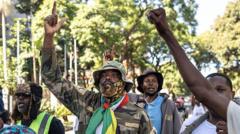
Economic Impact on Trade Flows
The departure of Burkina Faso, Mali, and Niger could disrupt established trade routes within West Africa. Trade among ECOWAS countries constitutes a significant portion of their GDP. For instance, in 2021, intra-regional trade within ECOWAS was valued at approximately $10 billion, driven by the exchange of goods such as agricultural products, textiles, and minerals.
Without ECOWAS membership, these countries risk losing preferential trade access to their neighbors. The imposition of tariffs and trade barriers could lead to increased costs for businesses and consumers, ultimately stunting economic growth. For example, Burkina Faso, which heavily relies on cotton exports, may encounter challenges in accessing markets in Nigeria and Ghana.
| Country | GDP (2022) | Trade Volume (2021) | Intra-ECOWAS Trade (% of GDP) |
|---|---|---|---|
| Burkina Faso | $18.4 billion | $2.1 billion | 12% |
| Mali | $17.5 billion | $1.5 billion | 15% |
| Niger | $14.4 billion | $1.2 billion | 10% |
Investment Challenges and Regional Integration
The withdrawal complicates the investment landscape in West Africa. ECOWAS has attracted foreign direct investment (FDI) by providing a unified regulatory framework and common market access. Companies from Europe and Asia have viewed the region as a potential growth hub.
With the exit of these three countries, investors may perceive heightened risks associated with political instability and economic isolation. This could lead to a decline in FDI as businesses reassess their strategies. For instance, infrastructure projects and development initiatives in the Sahel region may face setbacks, undermining long-term economic prospects.
"The departure from ECOWAS is likely to scare away investors and slow economic recovery, particularly in the Sahel, where insecurity already poses significant challenges," said an economic analyst.
GDP Growth Forecasts: Pre- and Post-Withdrawal
Forecasts for GDP growth in the region have deteriorated due to the withdrawal. Prior to the announcement, Burkina Faso, Mali, and Niger were expected to see modest growth of 4-5% over the next few years. However, analysts now project that these figures could drop significantly.
| Country | Growth Forecast Before Withdrawal | Growth Forecast After Withdrawal |
|---|---|---|
| Burkina Faso | 4.5% | 2.5% |
| Mali | 4.0% | 3.0% |
| Niger | 5.0% | 2.0% |
Political Ramifications of Withdrawal
The political implications of the withdrawal extend beyond economic concerns. The recent military coups in Burkina Faso, Mali, and Niger have already strained relations within the ECOWAS framework. The sanctions imposed by ECOWAS following these coups have exacerbated tensions, often prompting retaliatory measures from the affected states.
By opting out of ECOWAS, these countries signal a rejection of external influence in their governance. This decision may embolden other nations facing similar challenges, potentially leading to further withdrawals and political fragmentation within West Africa. The risk of increased authoritarianism and reduced accountability in these nations could destabilize the region further.
"The exit from ECOWAS is a clear indication of the growing trend toward unilateralism in governance among these countries, which could have long-term consequences for regional stability," remarked a political scientist.
Security Concerns and Humanitarian Implications
The withdrawal raises significant security concerns. The Sahel region is already grappling with rising extremist violence and humanitarian crises. ECOWAS plays a crucial role in regional security initiatives, including peacekeeping missions and counter-terrorism efforts.
With Burkina Faso, Mali, and Niger stepping away, coordination on security matters may weaken, complicating efforts to combat militant groups that threaten stability. This could lead to an escalation of violence, further displacing populations and creating humanitarian emergencies.
- Increased military activity from extremist groups.
- Heightened risk of refugee flows into neighboring countries.
- Potential for worsening food insecurity and health crises.
What This Means for You
The withdrawal from ECOWAS by Burkina Faso, Mali, and Niger signifies a crucial turning point for West Africa. Individuals and businesses should prepare for potential disruptions in trade, investment, and security. The ramifications of these decisions will likely ripple through the economy, affecting employment, consumer prices, and regional stability.
Stakeholders, including international partners, must closely monitor developments. Economic policies may require reevaluation to adapt to the shifting landscape, while humanitarian organizations should prepare for escalated crises in the Sahel region.
Outlook: What to Watch Next
As the situation unfolds, attention should focus on how these countries navigate their new political and economic landscapes. Will they seek alternative alliances outside of ECOWAS? How will international investors respond? The answers to these questions will shape the future of West African economies and their interconnectedness.
Sources
- World Bank — ECOWAS Economic Overview
- International Monetary Fund — West Africa Economic Outlook
- United Nations — Humanitarian Report 2023
- Reuters — Analysis on ECOWAS Withdrawal Effects
- BBC News — Political Developments in West Africa
Tags
About the Author
Written by trendednews.trendednews is a passionate writer who loves sharing insights and knowledge through engaging articles.
Related Articles
Ecuador's Debt-for-Nature Swap: A Sustainable Economic Model for Latin America
Nigeria's Poverty Crisis Deepens Amid Political Instability: Outlook for 2026
Nigeria Interest Rate Hike to 24.75%: Economic Impact Explained

SEA Games 2025 Economic Impact: Boosting Thailand and Southeast Asia