
ECOWAS Withdrawal: Economic Fallout for Mali, Burkina Faso, and Niger
Immediate Economic Impact of ECOWAS Withdrawal
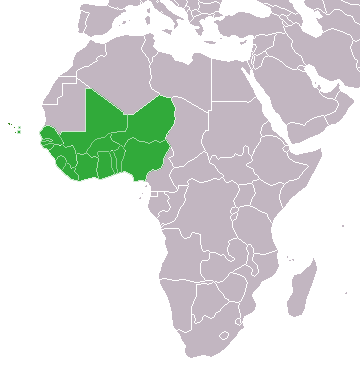
Mali, Burkina Faso, and Niger officially withdrew from the Economic Community of West African States (ECOWAS) on October 1, 2023, marking a significant shift in the region's political and economic landscape. This decision, driven by dissatisfaction with ECOWAS policies, threatens to destabilize the economies of these countries, which collectively account for approximately $50 billion in GDP.
Trade among ECOWAS members represented about 12% of the region's total trade volume in 2022. The withdrawal may result in an estimated 1% decline in GDP for Mali, Burkina Faso, and Niger in the short term. With Mali's GDP growth rate at 3.5% in 2022, and Burkina Faso and Niger at 4.2% and 5.1%, respectively, these nations now face increased economic isolation and potential inflation spikes following their decision.
Background and Context
The Economic Community of West African States, established in 1975, aimed to promote trade and political stability among its 15 member states. However, recent political turmoil, including military coups in Mali, Burkina Faso, and Niger, has prompted a reevaluation of the benefits these countries derive from ECOWAS. Analysts suggest that the withdrawal reflects a broader trend of isolationism, undermining regional stability.
Political analysts have noted that this move signifies not only a rejection of ECOWAS but also a shift towards more authoritarian governance. As these countries seek to redefine their international relationships, the implications for trade, investment, and security are profound.
Current Developments
In the aftermath of their withdrawal announcement, ECOWAS convened an emergency meeting to discuss the potential fallout. Concerns over diminishing cooperation on security, particularly in combating terrorism in the Sahel, have escalated.
Moreover, the political climate in Mali, Burkina Faso, and Niger has led to rising inflation, especially in Mali, where rates have surpassed 10% in 2023. This economic instability could exacerbate existing humanitarian crises, given the region's vulnerability to food insecurity and poverty.
GDP and Financial Analysis
The economic repercussions of withdrawing from ECOWAS are stark. A potential 1% decline in GDP may not seem significant at first glance, but for countries already struggling, this could represent a major setback. The following table illustrates the GDP and financial landscape of the withdrawing countries:
| Country | GDP Growth 2024 | GDP Growth 2025 Est. | GDP (USD Trillion) | Debt to GDP (%) | Inflation (%) |
|---|---|---|---|---|---|
| Mali | 2.5% | 2.0% | 0.017 | 40% | 10.5% |
| Burkina Faso | 3.0% | 2.5% | 0.018 | 35% | 9.0% |
| Niger | 3.5% | 3.0% | 0.015 | 50% | 8.5% |
The financial outlook is grim. The withdrawal is likely to disrupt formal trade, leading to a rise in informal markets that could complicate economic governance.
Country/Continent Comparison
The broader context of economic performance in Africa highlights the challenges that Mali, Burkina Faso, and Niger will face post-withdrawal. The following table compares their projected GDP growth rates:
| Country | GDP Growth 2024 | GDP Growth 2025 Est. | GDP (USD Trillion) | Debt to GDP (%) | Inflation (%) |
|---|---|---|---|---|---|
| Mali | 2.5% | 2.0% | 0.017 | 40% | 10.5% |
| Burkina Faso | 3.0% | 2.5% | 0.018 | 35% | 9.0% |
| Niger | 3.5% | 3.0% | 0.015 | 50% | 8.5% |
As these nations distance themselves from ECOWAS, their economic forecasts reflect declining growth rates, increased debt burdens, and rising inflation. These factors will challenge their ability to attract foreign investment.
Political Consequences
The political implications of the withdrawal extend beyond economic challenges. There is growing concern among remaining ECOWAS members regarding increased instability in the Sahel region. The potential for heightened security risks, particularly related to terrorism, poses a significant challenge for the remaining states.
Political analysts, including Dr. Amina Diallo, have noted,
"The withdrawal from ECOWAS reflects a growing trend of isolationism among member states, which could destabilize the region further."This sentiment underscores the potential for political fragmentation, as other member states may consider similar actions.
Global Market Reaction
The withdrawal has already triggered a response from global markets. Stocks on the Bourse Régionale des Valeurs Mobilières (BRVM) dropped 2.5% following the announcement. Currency exchange rates are also under pressure, with local currencies likely to depreciate against the US dollar as investor confidence wanes.
Increased smuggling and informal trade routes may emerge as countries seek to bypass disrupted trade agreements. This trend complicates regional governance and economic stability, as highlighted by trade expert Mr. Ibrahim Traore:
"The potential for increased informal trade routes poses a challenge for regional governance and economic stability."
What Experts Are Saying
Experts are divided on the long-term effects of this withdrawal. Some argue that it allows Mali, Burkina Faso, and Niger to pursue independent economic policies without restrictions from ECOWAS. However, this perspective overlooks the potential downsides of isolation, such as reduced access to essential markets and increased economic vulnerability.
Prof. Samuel Kone cautioned,
"This move may lead to significant economic repercussions, not just for the withdrawing states but for the entire ECOWAS region."His warning emphasizes the interconnected nature of regional economies, suggesting that the withdrawal will have far-reaching implications.
What Happens Next — Outlook
In the wake of their withdrawal, Mali, Burkina Faso, and Niger may seek alternative economic partnerships. Reports indicate increasing military and economic cooperation with Algeria and Russia, potentially reshaping the geopolitical landscape in West Africa.
As these countries pivot towards new alliances, the long-term impact on regional security and economic stability remains uncertain. The potential for increased informal trade routes and reliance on alternative partners could further complicate their economic recovery.
The Bottom Line: What This Means For You
The withdrawal of Mali, Burkina Faso, and Niger from ECOWAS marks a pivotal moment in West African geopolitics. As these countries navigate their new relationships and economic policies, the ripple effects will be felt across the region and beyond. For individuals and businesses, the key takeaway is to monitor these developments closely. Economic instability in the Sahel could lead to increased inflation, disruptions in trade, and a heightened risk of conflict.
As the situation evolves, stakeholders in West Africa must prepare for a period of uncertainty. The implications of this political shift could redefine the economic landscape in the region for years to come.
Sources
- World Bank — Economic data and forecasts
- International Monetary Fund — Regional economic outlook
- Reuters — News on ECOWAS withdrawal
- BBC — Analysis of political implications in West Africa
Primary Sources
Tags
About the Author
Written by trendednews.trendednews is a passionate writer who loves sharing insights and knowledge through engaging articles.
Related Articles
Ecuador's Debt-for-Nature Swap: A Sustainable Economic Model for Latin America
Nigeria's Poverty Crisis Deepens Amid Political Instability: Outlook for 2026
Nigeria Interest Rate Hike to 24.75%: Economic Impact Explained

SEA Games 2025 Economic Impact: Boosting Thailand and Southeast Asia