
Germany's Economic Slowdown: The Impact of U.S. Foreign Policy?
Germany's Economic Slowdown: A Stagnant Future?
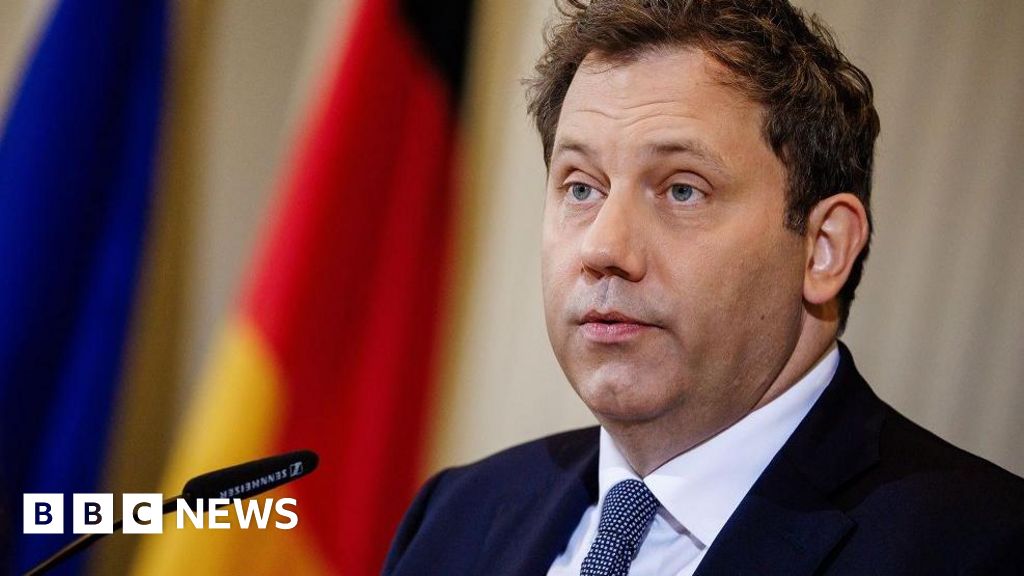
Germany's economy is at a critical juncture, with a projected GDP growth rate of just 0.5% for 2023, a significant decline from 1.8% in 2022. Inflation has surged to 6.4%, eroding consumer purchasing power and pushing the country closer to a potential recession. Amid this turmoil, Finance Minister Lars Klingbeil has placed considerable blame on U.S. foreign policy regarding Iran, asserting it is a key factor in the economic downturn.
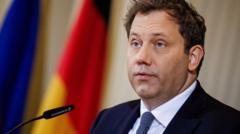
Klingbeil's assertion raises critical questions about the relationship between U.S. foreign policy and Germany's economic stability. He stated,
'Trump's irresponsible war in Iran is a significant factor in our economic slowdown.'This claim warrants a closer examination of how U.S. actions have influenced trade, energy prices, and investment flows in Germany.
Background and Context
The backdrop of Germany's economic challenges includes a series of geopolitical tensions, particularly concerning Russia and Iran. The ongoing energy crisis, exacerbated by reduced gas supplies from Russia, has led to a substantial spike in energy prices. In 2023, energy prices in Germany surged by approximately 30% year-on-year, directly impacting consumer costs and manufacturing productivity.
Additionally, supply chain disruptions, partly due to the COVID-19 pandemic and geopolitical tensions, have resulted in a 15% decline in manufacturing output since early 2023. Germany's heavy reliance on exports makes it particularly vulnerable to global economic fluctuations, especially within the Eurozone.
Current Developments
As of October 2023, the economic outlook appears bleak. Unemployment has risen to 5.5%, and consumer confidence has plummeted to its lowest level since 2020. The narrowing trade surplus, down from €20 billion in Q1 to €15 billion in Q2, signals diminishing demand for exports.
European Central Bank President Christine Lagarde has pointed to inflationary pressures stemming from energy prices, which are critically influenced by U.S. foreign policy maneuvers. Analysts are increasingly concerned that without a turnaround, Germany risks entering a deeper recession.
GDP and Financial Analysis
The economic indicators for Germany reflect a worrying trend compared to its European counterparts. The following table summarizes key economic indicators for Germany, France, and the UK:
| Country | GDP Growth 2024 | Inflation Rate | Debt to GDP | Trade Balance |
|---|---|---|---|---|
| Germany | 0.5% | 6.4% | 70% | €15 billion |
| France | 1.1% | 5.5% | 98% | €20 billion |
| UK | 0.3% | 5.8% | 100% | £10 billion |
Germany's economic model, heavily reliant on exports, faces pressures from rising energy costs and diminished consumer spending. As the largest economy in Europe, Germany's slowdown poses risks to the broader Eurozone.
Country and Continent Comparison
The following table illustrates the economic performance of Germany compared to the broader European context:
| Country | 2020 GDP Growth | 2022 GDP Growth | 2024 GDP Growth Est. |
|---|---|---|---|
| Germany | 1.5% | 1.8% | 0.5% |
| France | 1.0% | 2.5% | 1.1% |
| UK | -9.8% | 7.5% | 0.3% |
Germany's declining growth trajectory starkly contrasts with the relatively stable performance of France. The UK's recovery, particularly after the pandemic, highlights Germany's unique vulnerabilities.
Political Consequences
The political ramifications of Germany's economic slowdown are significant. As economic challenges mount, public dissatisfaction with the government may rise, prompting calls for policy changes. Klingbeil's comments reflect a broader sentiment among German officials that the U.S. must consider the ripple effects of its foreign policy on European economies.
Moreover, as Germany's economic stability is challenged, the potential for political shifts within the European Union increases, affecting collective policies on trade and energy.
Global Market Reaction
The global market has begun to react to Germany's economic forecasts. Stock markets across Europe have shown volatility, with Germany's DAX index recently falling by 1.2%. Investors are cautious as they anticipate the implications of sustained inflation and increased energy costs.
Furthermore, the weakening Euro against the U.S. dollar, currently at 1.05 EUR/USD, signifies investor anxiety regarding Germany's economic prospects and broader Eurozone stability.
What Experts Are Saying
Economists are divided on the extent of U.S. policy's impact. Some argue that the primary culprit for Germany's slowdown is the energy crisis driven by the Ukraine conflict rather than U.S. actions. An unnamed economist from the Wall Street Journal noted,
'The geopolitical landscape is heavily influencing inflation and trade dynamics across Europe.'This underscores the complexity of attributing blame solely to U.S. policy.
Additionally, analysts from Morningstar emphasize Germany's dependence on energy imports, particularly from Russia and alternative sources, making it vulnerable to external shocks.
What Happens Next — Outlook
Looking ahead, the outlook for Germany remains uncertain. Policymakers must navigate rising energy prices, fluctuating consumer confidence, and potential supply chain disruptions. The likelihood of entering a recession looms large if current trends persist.
As inflationary pressures continue, the European Central Bank may be compelled to adjust monetary policy, impacting Germany's economic recovery efforts. Monitoring these developments is crucial for understanding the trajectory of the German economy.
The Bottom Line: What This Means For You
The economic slowdown in Germany, attributed in part to external factors like U.S. foreign policy, has real consequences for everyday citizens. Rising inflation affects purchasing power, while increasing energy prices strain household budgets. As economic conditions evolve, consumers must brace for potential increases in the costs of goods and services.
Germany's economic health remains pivotal not only for its own citizens but also for the broader European economy. Keeping an eye on developments, particularly in energy markets and international relations, will be essential for understanding the future landscape.
Sources
- WSJ — Economic Impact of Geopolitical Tensions on Europe
- Financial Times — Germany's Economic Forecasts
- Eurostat — Inflation and Trade Data
- Reuters — Germany's Energy Crisis Overview
- Morningstar — Analyst Insights on German Economy
Primary Sources
Tags
About the Author
Written by trendednews.trendednews is a passionate writer who loves sharing insights and knowledge through engaging articles.
Related Articles
Ecuador's Debt-for-Nature Swap: A Sustainable Economic Model for Latin America
Nigeria's Poverty Crisis Deepens Amid Political Instability: Outlook for 2026
Nigeria Interest Rate Hike to 24.75%: Economic Impact Explained

SEA Games 2025 Economic Impact: Boosting Thailand and Southeast Asia