
Guinea-Bissau Crisis: AU Council Meeting Highlights Economic Fallout
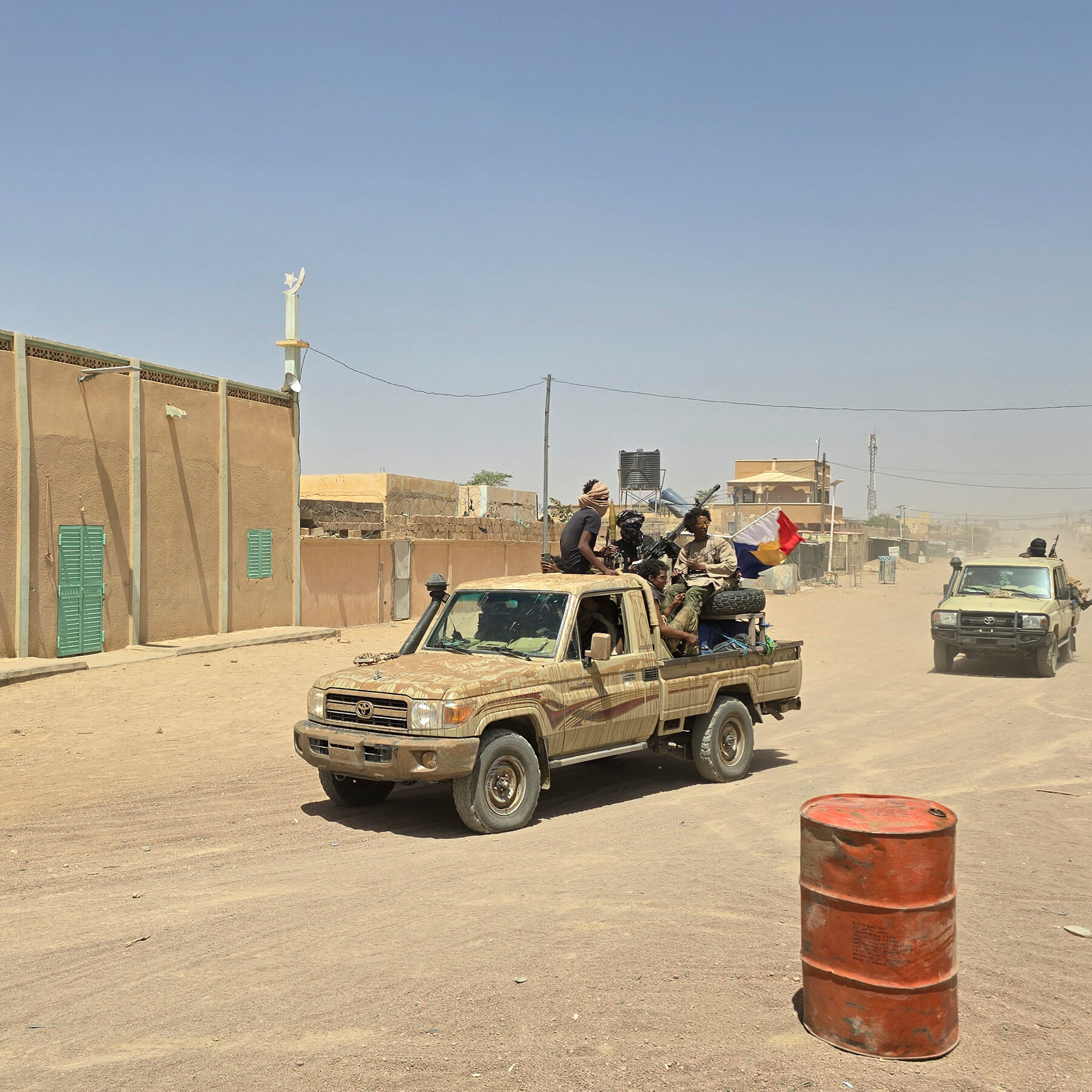
Emergency Situation Hits Guinea-Bissau
The political instability in Guinea-Bissau has reached a critical juncture, prompting the African Union (AU) Peace and Security Council to convene an emergency meeting on November 28, 2025. This crisis poses severe implications for the nation’s economy, particularly impacting its dominant agricultural sector and foreign investment climate.
Background and Context
Guinea-Bissau has endured a tumultuous political history, marked by multiple coups since gaining independence from Portugal in 1973. The most recent coup occurred in 2012, leaving the nation in a fragile state. Consequently, the country’s economy heavily relies on the cashew industry, which accounts for approximately 90% of its export revenue and employs around 200,000 people.
The ongoing political turmoil has severely hampered economic growth, leading to a projected GDP of $1.5 billion in 2025. Growth rates are expected to decline from 4% in 2024 to an estimated 2.5% in 2025. Additionally, inflation is anticipated to rise sharply to 8%, driven by increasing food prices and economic instability.
Current Developments
During the AU meeting, officials underscored the urgent need for international intervention to restore stability. The current crisis has resulted in a significant decline in foreign direct investment (FDI), which fell to approximately $30 million in 2024, down from $50 million in 2022. This decline reflects investor hesitance amid ongoing political uncertainty.
Local economists are warning of a potential contraction in the agricultural sector, with cashew production projected to decrease by 15% in 2025. The economic fallout threatens to exacerbate poverty and unemployment levels among the population.
GDP and Financial Analysis
| Country | GDP Growth 2024 | GDP Growth 2025 Est. | Debt to GDP | Inflation Rate |
|---|---|---|---|---|
| Guinea-Bissau | 4% | 2.5% | 70% | 8% |
| Senegal | 5.5% | 5% | 60% | 4% |
| Gambia | 6% | 5.5% | 80% | 7% |
This table illustrates the stark contrast between Guinea-Bissau’s economic performance and that of its neighbors. The country’s elevated debt-to-GDP ratio of approximately 70% raises concerns about its fiscal health amid ongoing instability.
Country/Continent Comparison
| Country | 2020 | 2022 | 2024 |
|---|---|---|---|
| Guinea-Bissau | 3% | 4% | 4% |
| Senegal | 4% | 5% | 5.5% |
| Gambia | 5% | 6% | 6% |
As shown, Guinea-Bissau's economic growth trajectory has stagnated while its neighbors continue to improve. This lag will likely deter future investments and hinder economic recovery.
Political Consequences
The AU's commitment to a 'zero tolerance' policy for coups signifies a shift towards a more proactive stance in regional governance. However, this could complicate Guinea-Bissau's diplomatic relationships. Local officials stress the importance of protecting citizens' rights during this crisis, but the potential for increased sanctions looms large.
“Political instability has a direct impact on our economy, particularly in the agricultural sector.” — Local Economist
The instability not only affects economic metrics but also poses risks to the social fabric of the country. Ordinary citizens bear the brunt of political mismanagement, facing rising costs and dwindling employment opportunities.
Global Market Reaction
The instability in Guinea-Bissau may have far-reaching implications beyond its borders. Increased unrest could disrupt trade relations within West Africa, potentially leading to a rise in migration and humanitarian needs.
Global investors may reassess their risk exposure in the region, resulting in capital flight and a decline in investment in neighboring countries as well. The projected depreciation of the West African CFA franc against the US dollar could further aggravate the situation, making imports more expensive and reducing purchasing power.
What Experts Are Saying
Experts warn that while AU intervention may stabilize the political landscape, it raises concerns about sovereignty and local governance. Dr. Moussa Faki Mahamat, Chairperson of the African Union Commission, emphasized the urgent need for action to address the crisis.
“The situation in Guinea-Bissau requires urgent attention from the international community to restore stability and security.” — AU Peace and Security Council
Local analysts also caution that external intervention could exacerbate tensions rather than resolve them. The balance between ensuring stability and respecting local governance remains delicate.
What Happens Next — Outlook
The immediate outlook for Guinea-Bissau remains grim. With rising inflation and declining agricultural production, the country faces significant economic challenges. The AU's intervention may provide a pathway to stability, but success is not guaranteed.
As the international community closely monitors developments, the focus will likely remain on how the AU implements its policies and whether they can effectively stabilize the region.
The Bottom Line: What This Means For You
The situation in Guinea-Bissau serves as a reminder of the fragility of political systems and their direct economic implications. For investors, heightened political risk could deter engagement in the region, while ordinary citizens may face increased hardships as inflation and unemployment rise.
Monitoring the AU's actions and their impact on the political landscape will be crucial for understanding future economic prospects in Guinea-Bissau and West Africa as a whole.
Sources
- African Union Peace and Security Council — Emergency meeting on Guinea-Bissau
- Local Economist Reports — Economic implications of political instability
- World Bank — Guinea-Bissau Economic Overview
Primary Sources
Tags
About the Author
Written by trendednews.trendednews is a passionate writer who loves sharing insights and knowledge through engaging articles.
Related Articles
Ecuador's Debt-for-Nature Swap: A Sustainable Economic Model for Latin America
Nigeria's Poverty Crisis Deepens Amid Political Instability: Outlook for 2026
Nigeria Interest Rate Hike to 24.75%: Economic Impact Explained

SEA Games 2025 Economic Impact: Boosting Thailand and Southeast Asia