
Hormuz Strait Ceasefire: Implications for Global Oil Supply

Ceasefire Could Stabilize Global Oil Market
A potential ceasefire between the United States and Iran may significantly impact global oil supply and prices. The Hormuz Strait is crucial, with approximately 20% of the world's oil passing through it. Recent tensions in this region have caused oil prices to fluctuate between $70 and $80 per barrel, leading to volatility that affects economies worldwide.
The ceasefire is a positive step towards stabilizing oil prices and ensuring global supply chains remain intact.
With President Donald Trump confirming the ceasefire, market sentiment has shifted positively. Analysts predict that if the ceasefire holds, oil prices could see a significant drop, benefiting oil-importing nations while placing pressure on oil-exporting countries.

Background and Context
The Hormuz Strait connects the Persian Gulf with the Gulf of Oman and has become a focal point of geopolitical tensions. This escalation followed the US withdrawal from the Iran nuclear deal in 2018 and the reinstatement of sanctions against Iran. These tensions have led to military confrontations, threatening shipping routes and causing price spikes in oil markets.
A ceasefire could provide the stability needed to enhance global oil supply chains and restore investor confidence, potentially leading to increased investment in Iran’s oil sector.
Current Developments
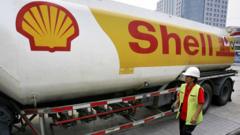
Recent reports indicate a possible ceasefire agreement, which has already begun to positively influence market dynamics. Consequently, oil prices have shown signs of recovery, with companies like Shell reporting a nearly 25% increase in profits due to the fluctuations caused by the Iran conflict.
Positive market reactions have also extended to global stock markets, as indices reflect optimism over potentially reduced geopolitical tensions. However, the longevity of this ceasefire remains uncertain, with analysts closely monitoring developments.

GDP and Financial Analysis
The economic implications of a ceasefire could be profound. Oil-importing nations like India and Japan might see GDP growth improve by approximately 0.5-1% if oil prices stabilize. Conversely, oil-exporting nations such as Saudi Arabia and Russia may face declining revenues, which could adversely affect their economic forecasts.
| Country | GDP Growth 2024 (%) | GDP Growth 2025 Est (%) |
|---|---|---|
| Iran | 1% | null |
| Saudi Arabia | 3.2% | null |
| India | 6.5% | null |
| Japan | null | null |
This stabilization could also lead to lower inflation rates in importing nations, improving trade balances and potentially enhancing job growth in sectors reliant on stable oil prices.
Country/Continent Comparison
The global economic landscape varies in its response to oil price fluctuations. While oil-importing countries stand to benefit from lower prices, oil-exporting nations may experience the opposite effect.
| Continent | GDP Growth (%) | Trend | Driver |
|---|---|---|---|
| Asia | 5.0% | Rising | Increased trade and investment flows |
| Europe | 2.0% | Stable | Moderate economic recovery post-pandemic |
Countries in Asia, especially India, could see significant economic improvements if oil prices stabilize. Meanwhile, Europe remains cautious, focusing on recovery.
Political Consequences
The political landscape in the Middle East is fluid. A ceasefire could ease tensions, potentially reshaping US-Iran relations and influencing global diplomatic efforts. However, some analysts warn that a ceasefire may not last, and tensions could escalate again, leading to renewed market volatility.
If the ceasefire holds, we could see a significant drop in oil prices, which would benefit many economies.
Oil-exporting nations may resist a ceasefire if they perceive threats to their economic interests. The geopolitical stability resulting from a ceasefire could either bolster or undermine international alliances, depending on how the situation unfolds.
Global Market Reaction
The global market has responded favorably to the prospect of reduced tensions. Stock markets have shown upward trends, with indices reflecting increased investor confidence. For instance, the S&P 500 rose by 1.5% following news of the ceasefire agreement.
Consumer confidence may also rise, as lower oil prices could translate to reduced living costs. This could provide a much-needed boost for economies struggling with inflation and economic downturns.
What Experts Are Saying
Financial analysts emphasize the dual-edged nature of a ceasefire. While stabilization in oil prices may benefit consumers and businesses, it poses risks for oil-exporting nations reliant on stable high prices for their economies.
The volatility in the oil market has been a boon for companies like Shell, but it poses risks for consumers.
Analysts remain cautious, acknowledging that the ceasefire's impact depends on its sustainability and the evolution of the geopolitical landscape.
What Happens Next — Outlook
Looking ahead, market participants will closely watch to see if the ceasefire holds and how it influences oil prices. The outlook suggests that if the ceasefire is maintained, stabilization of oil prices could lead to increased foreign direct investment in Iran’s oil sector, potentially altering the dynamics of global oil supply.
However, should tensions escalate again, volatility could return, impacting not only oil prices but also broader economic conditions globally.

The Bottom Line: What This Means For You
For consumers, a potential ceasefire in the Hormuz Strait could lead to lower oil prices, impacting everything from transportation costs to the price of goods. For businesses, especially those reliant on stable oil prices, improved economic conditions could foster growth.
The future remains uncertain. The geopolitical situation in the Middle East is complex, and any potential benefits from a ceasefire hinge on its durability. Staying informed about developments in this region will be crucial for navigating the implications of oil market fluctuations.
Sources
- Global Oil Supply and Demand — Energy Information Administration
- Market Reactions to Hormuz Strait Tensions — Financial Times
- Impact of Oil Prices on GDP Growth — International Monetary Fund
Primary Sources
Tags
About the Author
Written by trendednews.trendednews is a passionate writer who loves sharing insights and knowledge through engaging articles.
Related Articles
Ecuador's Debt-for-Nature Swap: A Sustainable Economic Model for Latin America
Nigeria's Poverty Crisis Deepens Amid Political Instability: Outlook for 2026
Nigeria Interest Rate Hike to 24.75%: Economic Impact Explained

SEA Games 2025 Economic Impact: Boosting Thailand and Southeast Asia