
Hormuz Strait Tensions: Oil Prices Surge and Their Global Economic Impact
The Human Cost of Hormuz Strait Tensions
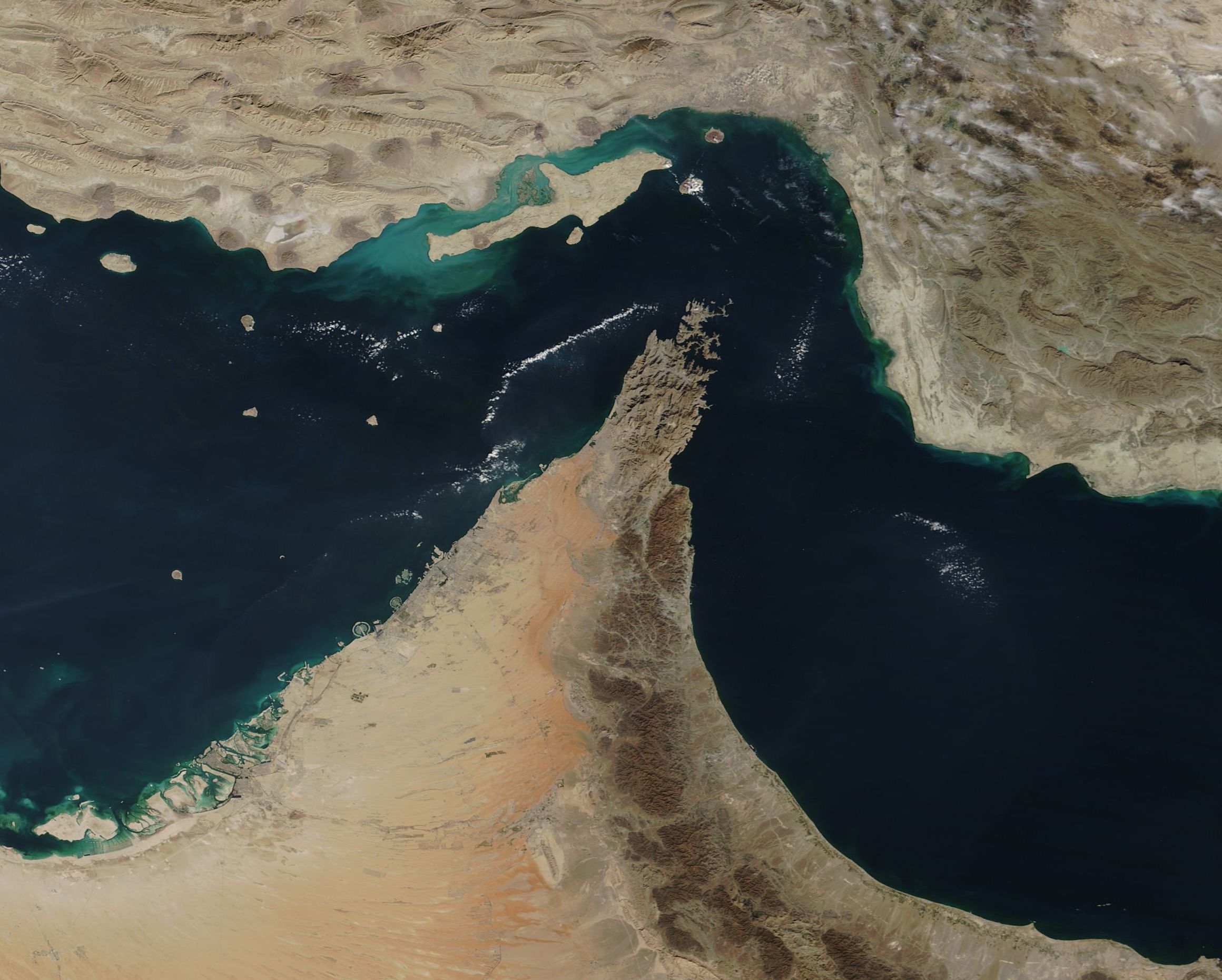
Tensions in the Strait of Hormuz have caused oil prices to surge by approximately 10%, threatening global economic stability. This vital chokepoint facilitates 20% of the world's oil flow, making disruptions a high-stakes issue for economies worldwide.
As geopolitical tensions escalate, consumers are beginning to feel the financial strain. The recent spike in oil prices is expected to increase inflation rates, adversely affecting household budgets and purchasing power.
Background and Historical Context
The Strait of Hormuz has a long history of geopolitical strife, primarily due to its strategic significance in global oil transportation. Control over this narrow passage has been contested for decades, especially between Iran and Western powers.
Previous conflicts have led to significant fluctuations in crude oil prices, impacting economies around the globe. The current situation, marked by exchanges of fire between the US and Iran, reignites concerns about potential long-term disruptions.
Current Developments in the Strait of Hormuz
On October 1, 2023, tensions escalated as the US and Iran exchanged fire, prompting a 10% increase in oil prices, which have now reached $85 per barrel. Shell reported a 25% rise in profits, attributing this volatility to the current geopolitical climate, underscoring the financial stakes involved.
Former President Trump’s dismissal of Iran's peace proposals has further heightened uncertainty in the oil markets, leading to increased volatility. Shipping insurance costs in the region have surged by 15%, reflecting growing fears among traders.
Economic Analysis: GDP and Financial Implications
The economic impact of tensions in the Hormuz Strait is significant. Oil-importing countries are projected to experience a GDP contraction of approximately 0.5%. In contrast, oil-exporting nations such as Iran and Saudi Arabia may see GDP growth increase by 1.5% due to rising oil prices.
Inflationary pressures are expected to rise sharply in oil-importing nations. For instance, consumer prices in the US are projected to increase by 2% in the next quarter, while inflation in the Eurozone could reach 4.5%.
| Country | GDP Growth 2024 | GDP Growth 2025 Est. | Debt to GDP | Inflation Rate |
|---|---|---|---|---|
| United States | 1.8% | 2.0% | 130% | 4.5% |
| Germany | 1.5% | 1.7% | 60% | 3.8% |
| Iran | 2.5% | 3.0% | 40% | 30% |
| Saudi Arabia | 3.5% | 4.0% | 25% | 2.5% |
As manufacturing sectors in oil-importing countries face higher operational costs, growth is likely to slow, impacting employment rates. Unemployment may rise by 0.3% as businesses adjust to these increased expenses.
Country and Continent Comparison: Who Wins and Loses?
Different regions will experience varied impacts from the oil price surge. Oil-exporting countries like Saudi Arabia and Iran stand to benefit economically, while oil-importing nations, particularly in Europe and North America, will face heightened inflation and potential economic slowdowns.
| Continent | GDP Growth 2024 | Trend | Driver |
|---|---|---|---|
| North America | 2.0% | Stable | Resilience in consumer spending despite rising oil prices |
| Europe | 1.5% | Declining | Increased inflation impacting economic growth |
| Asia | 3.0% | Rising | Strong demand for energy and commodities |
The disparity in impacts highlights the ongoing challenge for policymakers in oil-importing countries, who must navigate rising costs and potential economic contraction.
Political Consequences of Rising Tensions
The heightened tensions in the Strait of Hormuz carry significant political ramifications. As the US and Iran remain locked in conflict, diplomatic solutions appear increasingly elusive. Analysts warn that continued instability could result in long-term disruptions to the energy market.
“The geopolitical landscape is becoming increasingly volatile, and we must prepare for potential long-term disruptions,” warns a geopolitical analyst.
Moreover, the situation could strain US relations with its allies, particularly those reliant on oil imports. Countries like Japan and South Korea may face increased energy security challenges as they navigate their dependence on foreign oil.
Global Market Reactions to Oil Price Surges
Financial markets have reacted negatively to the recent oil price surge. Major stock indices have dropped, with an average decline of 3% in the past week. Investor sentiment remains shaky as uncertainty continues to loom over the global economy.
Emerging markets, particularly those heavily dependent on oil imports, may see their currencies weaken, increasing the cost of imports and further exacerbating inflationary pressures.
Expert Opinions on Future Outlook
Experts predict that if tensions continue, oil prices could remain volatile. The Federal Reserve may need to adjust monetary policy to mitigate inflationary pressures. Some argue that the global economy is more resilient than in the past and could absorb shocks from rising oil prices.
“Higher oil prices will inevitably lead to increased costs for consumers, impacting their purchasing power,” notes an economic expert.
However, technological advancements in energy efficiency could help lessen the blow on consumers, providing some counterbalance to rising costs.
Conclusion: What This Means for Consumers
Consumers are likely to feel the immediate effects of rising oil prices through increased costs at the pump and higher prices for goods and services. Inflation will erode purchasing power, forcing many to adjust their spending habits.
As geopolitical tensions persist, the global economy must brace for potential long-term implications. The need for energy diversification and independent supply chains has never been more critical.
What This Means For You
As the situation in the Strait of Hormuz unfolds, consumers should prepare for rising costs and potential economic instability. Monitoring oil prices and adjusting budgets accordingly will be essential.
Investors should also consider the implications of rising oil prices on various sectors, particularly those reliant on energy. Companies may need to adapt to fluctuating energy costs, impacting profitability and growth.
Outlook
Looking ahead, developments in the US-Iran relationship and any potential diplomatic efforts will be crucial to watch. The global energy market will remain sensitive to geopolitical shifts, and further disruptions could lead to significant economic consequences.
Sources
- Energy Analyst — Importance of Strait of Hormuz
- Economic Expert — Consumer Impact of Higher Oil Prices
- Geopolitical Analyst — Volatility in Global Markets
Primary Sources
About the Author
Written by trendednews.trendednews is a passionate writer who loves sharing insights and knowledge through engaging articles.
Related Articles

Iran's Impact on the Global Economy: Vigilance Amid Rising Tensions
Biden's Economic Corridor: Transforming Geopolitical Alliances and Trade Routes
China's Trade Influence in Somalia and Tanzania: Opportunities and Risks
Bangladesh-Pakistan Rapprochement: Economic Gains and Geopolitical Shifts