
Japan's $34 Million Aid to Sub-Saharan Africa: A Crucial Step for Food Security
Emergency Aid and Immediate Impact
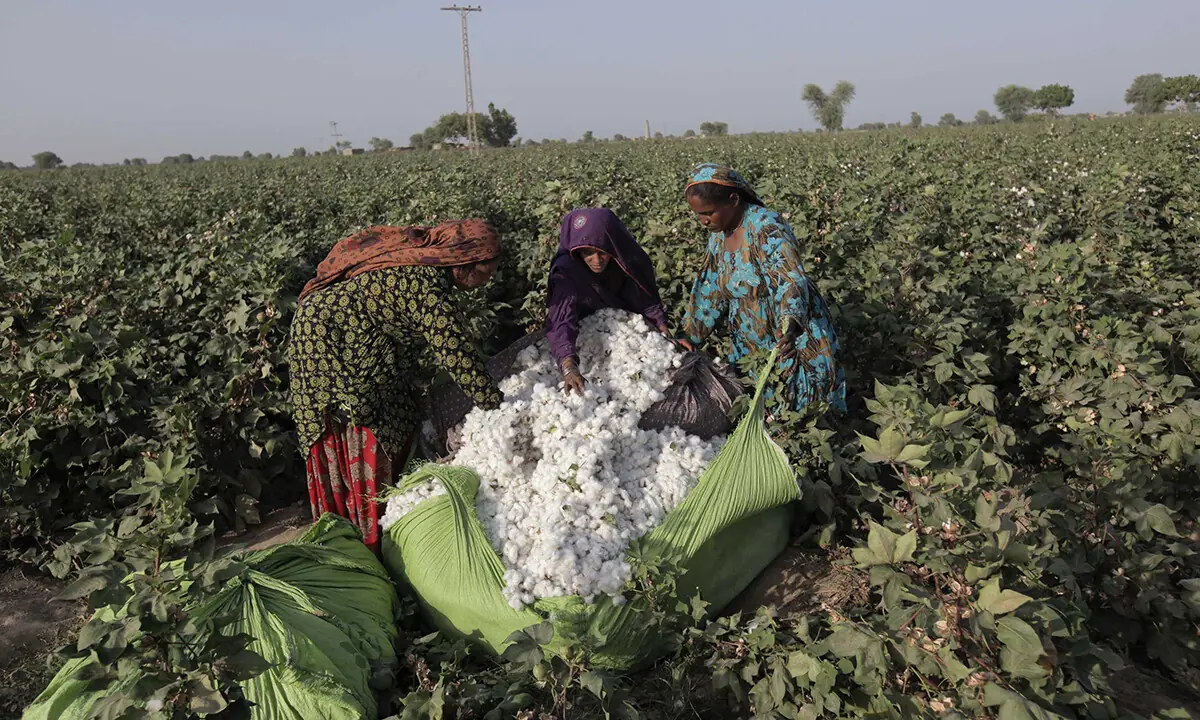
Japan's recent allocation of $34 million for food security in Sub-Saharan Africa aims to assist approximately 1.5 million people facing food insecurity. This funding, announced on May 8, 2026, will be channeled through the World Food Programme (WFP) to provide urgent support to 15 countries, including Ethiopia, Sudan, and South Sudan. These nations have been severely affected by conflicts and climate change, exacerbating their food crises.
Japanese Foreign Minister Yoshimasa Hayashi emphasized the necessity of this funding, stating, "This funding is crucial to alleviate the immediate suffering of millions facing food insecurity." The World Food Programme has reported a dramatic 40% increase in food prices across Sub-Saharan Africa since 2020, underscoring the urgency of Japan's intervention.

Background and Context
Historically, Japan has played a significant role in international development, particularly in response to humanitarian crises. In 2025, Sub-Saharan Africa faced unprecedented levels of food insecurity, affecting an estimated 278 million people. Ongoing conflicts, economic disruptions, and climate change continue to impact food availability and access.
As of May 2026, the economic outlook for Sub-Saharan Africa remains precarious, with GDP growth projected at 3.5%. While this growth rate marks an improvement from previous years, it does not adequately reflect the dire food security situation. Robust international support is more critical than ever to address the systemic issues causing food insecurity.
Current Developments
The timing of Japan's aid announcement coincided with a global summit on food security held in early May 2026, amplifying its significance. Local NGOs in recipient countries are preparing to implement aid programs starting in June 2026, focusing on food assistance, nutritional support, and cash-based transfers.
According to a WFP spokesperson, "The situation in Sub-Saharan Africa is dire, and international support is needed now more than ever." This aid package is part of a broader international response to escalating food prices and supply chain disruptions caused by global conflicts.
GDP and Financial Analysis
This funding is projected to contribute to a 0.5% increase in GDP growth in recipient countries due to improved food security. Moreover, the aid is expected to alleviate inflationary pressures on food prices, potentially reducing the inflation rate by 1-2%.
| Country | 2025 GDP Growth (%) | 2026 GDP Growth Forecast (%) | 2025 GDP (USD Trillion) | Debt to GDP (%) | Inflation Rate (%) |
|---|---|---|---|---|---|
| Ethiopia | 3.2 | 3.5 | 0.111 | 60 | 12 |
| South Sudan | -2.1 | 1.0 | 0.0045 | 50 | 15 |
| Sudan | 1.5 | 2.0 | 0.045 | 80 | 20 |
Country/Continent Comparison
The overall inflation rate in Sub-Saharan Africa averaged 12% in 2025, significantly impacting food affordability. The recent aid package is likely to improve trade balances by increasing local food production and reducing reliance on imports.
| Country | Food Security Index (2022) | Food Security Index (2024) | Food Security Index (2026) |
|---|---|---|---|
| Ethiopia | 0.45 | 0.50 | 0.55 |
| South Sudan | 0.30 | 0.35 | 0.40 |
| Sudan | 0.40 | 0.45 | 0.50 |
Political Consequences
Japan's commitment to humanitarian aid reflects its diplomatic strategy to strengthen relations with African nations. This aid can enhance Japan's standing in international forums and among developing countries, fostering a collaborative approach to addressing global challenges.
However, some critics argue that aid alone is insufficient without addressing the root causes of food insecurity, such as conflict and governance issues. Concerns about effective distribution and the potential for corruption in recipient countries could undermine the positive impact of this aid.
Global Market Reaction
Japan's aid strategy may influence global food supply chains and humanitarian policies. As international cooperation becomes increasingly vital, other nations may follow Japan's lead in increasing their support for food security initiatives.
The aid could also stimulate local economies, increasing market activity and creating temporary jobs in food distribution and agricultural sectors. This economic boost could further stabilize local currencies against the US dollar.
What Experts Are Saying
Economic analysts highlight that while immediate relief is essential, long-term solutions must address systemic issues.
"Our commitment to food security in Africa reflects Japan's dedication to global humanitarian efforts,"stated Japanese Prime Minister Fumio Kishida during the aid announcement.
Experts stress the importance of monitoring the effectiveness of aid distribution and ensuring that funds reach the most vulnerable populations. The implementation of cash-based transfers is seen as a promising method to empower local communities and stimulate economic activity.
What Happens Next — Outlook
As local NGOs prepare to implement aid programs, the focus will be on ensuring that support reaches those most in need. By 2027, analysts predict that sustained international cooperation could lead to improvements in food security and economic stability in the region.
Ongoing conflicts and climate change will continue to pose significant challenges. The success of Japan's aid package will depend on effective distribution, local governance, and continued international support.
The Bottom Line: What This Means For You
Japan's $34 million aid package represents a critical step in addressing food insecurity in Sub-Saharan Africa. For individuals and organizations interested in global humanitarian efforts, this initiative underscores the importance of international cooperation in tackling complex issues. Monitoring the impact of aid initiatives will be essential to ensure that support leads to sustainable improvements in food security and economic stability.
Sources
- World Food Programme — Food Security Report 2025
- Japanese Foreign Ministry — Aid Announcement May 2026
- International Monetary Fund — Economic Outlook for Sub-Saharan Africa 2026
- UN Food Agency — Global Food Prices Report 2026
Primary Sources
Primary sources used
Tags
About the Author
Written by trendednews.trendednews is a passionate writer who loves sharing insights and knowledge through engaging articles.
Related Articles
Health Risks and Economic Fallout from Unapproved Peptides in Australia

Geopolitics of Energy in the Middle East: Dynamics of Oil Price Risk
China's Diplomatic Tour in East Africa: Impacts on Trade and Debt Sustainability
Bangladesh-Pakistan Rapprochement: Economic Gains and Geopolitical Impact