
Middle East Tensions and Their Impact on Oil Prices
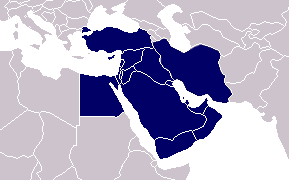
Rising Oil Prices: A Direct Consequence of Middle East Tensions
As of October 2023, Brent crude oil prices have surged to $90 per barrel, primarily driven by escalating geopolitical tensions in the Middle East. The region's instability, particularly concerning Iran and recent attacks on oil tankers in the Red Sea, has created a risk premium estimated at $10 to $15 per barrel. This increase in oil prices directly affects consumers worldwide, resulting in higher energy bills and inflation, especially in oil-importing nations.
Background and Context
The Middle East plays a pivotal role in the global oil market, holding a significant portion of the world’s crude oil reserves. Ongoing tensions related to Iran's nuclear program, along with conflicts in Yemen and Syria, pose substantial risks to oil supply. Recently, the U.S. has increased its military presence in the Gulf to deter potential Iranian aggression, adding further complexity to the geopolitical landscape.
Recent incidents, such as missile tests by Iran and attacks on oil tankers, have heightened fears regarding the stability of oil transport routes. This volatility not only affects oil prices but also raises concerns about energy security for nations dependent on Middle Eastern oil.
Current Developments
In October 2023, Iran conducted missile tests, escalating fears of military conflict and increased hostilities in the region. Simultaneously, Saudi Arabia announced further oil production cuts, reducing output by 1 million barrels per day to stabilize prices, which has contributed to upward pressure on oil costs. The combination of these factors has created a volatile market environment.
Moreover, the International Energy Agency (IEA) has warned of potential oil supply shortages if tensions escalate further, which could exacerbate existing supply chain issues and drive prices even higher.
GDP and Financial Analysis
The rising oil prices have significant implications for global economic growth. A 10% increase in oil prices could reduce global GDP growth by approximately 0.5%[1]. Countries heavily reliant on oil imports, such as India and many European nations, face economic challenges as higher energy prices squeeze household budgets and increase inflation rates.
| Country | GDP Growth % (2024) | Debt/GDP | Inflation % |
|---|---|---|---|
| United States | 2.0% | 120% | 3.5% |
| India | 6.8%-7.2% | 90% | 6.0% |
| Germany | 1.5% | 70% | 5.0% |
As energy costs rise, inflation in the Eurozone has already reached 6.5%[2], primarily driven by higher oil prices. This inflationary pressure is expected to continue affecting consumer spending and overall economic stability.
Country/Continent Comparison
Different regions will experience varying impacts from rising oil prices. In Asia, economic recovery is expected to drive demand for oil, while Europe faces stagnant growth due to high energy costs.
| Continent | GDP Growth % | Trend | Driver |
|---|---|---|---|
| Asia | 5.5% | Rising | Strong recovery in consumer demand |
| Europe | 2.0% | Stagnant | High energy costs |
This divergence in economic performance underscores the critical nature of energy security and the potential economic fallout from geopolitical instability.
Political Consequences
Geopolitical risks are firmly embedded in current oil prices, with many analysts suggesting that the market may have overreacted to short-term tensions. However, persistent instability could lead to significant disruptions in oil supply, further elevating prices and economic risk.
Energy Analyst John Kilduff noted, "We are seeing a direct correlation between geopolitical tensions and oil market fluctuations"[3]. This correlation highlights the importance of closely monitoring developments in the Middle East.
Global Market Reaction
The global oil market is responding to both current events and anticipated future disruptions. Stock markets have exhibited volatility as investors evaluate the likelihood of sustained high oil prices. Increased energy costs have implications for inflation and consumer spending, which can affect corporate earnings across various sectors.
Emerging market currencies may weaken against the dollar as oil prices rise, impacting trade balances and economic stability in these nations.
What Experts Are Saying
Fatih Birol, Executive Director of the IEA, remarked, "The geopolitical landscape in the Middle East is increasingly volatile, and this is reflected in the rising oil prices"[4]. Experts caution that unless tensions ease, the risk premium embedded in oil prices will persist, leading to continued economic uncertainty.
What Happens Next — Outlook
Looking ahead, the trajectory of oil prices will depend heavily on geopolitical developments. If diplomatic efforts concerning Iran's nuclear program stall further, or if military conflicts escalate, prices may continue to rise. Conversely, any de-escalation could provide relief to the market.
Alternative energy sources may help mitigate long-term dependence on Middle Eastern oil, but significant infrastructure investments and technological advancements are required for a complete transition.
The Bottom Line: What This Means For You
The ongoing geopolitical tensions in the Middle East are a critical factor driving up oil prices, leading to increased costs for consumers and businesses worldwide. As energy bills rise, households will feel the financial squeeze, and economic growth may slow. Staying informed about the situation is essential for understanding future price movements and their broader economic implications.
Sources
- International Energy Agency — Oil Price Forecast 2023
- Eurostat — Inflation Data 2023
- Market Analysis Reports — Energy and Geopolitical Risk 2023
- IEA Statements — Geopolitical Landscape and Oil Prices 2023
Primary Sources
Primary sources used
- Georgetown Journal of International Affairs — How the New Geopolitics of Energy Informs the Current Oil Price-Risk Relationship in the Middle East
- Reuters — India sees 6.8%-7.2% growth next year, flags risks from geopolitics, weak exports
- The World Economic Forum — Europe's economy is resilient, but geopolitics exact a price
Tags
About the Author
Written by trendednews.trendednews is a passionate writer who loves sharing insights and knowledge through engaging articles.
Related Articles
Ecuador's Debt-for-Nature Swap: A Sustainable Economic Model for Latin America
Nigeria's Poverty Crisis Deepens Amid Political Instability: Outlook for 2026
Nigeria Interest Rate Hike to 24.75%: Economic Impact Explained

SEA Games 2025 Economic Impact: Boosting Thailand and Southeast Asia