
North Korea's Military Support in the Russia-Ukraine War: Economic Implications

North Korea's Military Deployment: A Strategic Economic Move
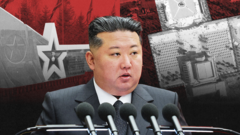
As of October 2023, North Korea has dispatched approximately 11,000 soldiers to support Russia in the ongoing Ukraine conflict. This deployment is not merely a demonstration of military solidarity; it represents a strategic maneuver aimed at securing substantial economic benefits. Analysts suggest that this military support could lead to debt forgiveness from Russia, favorable resource agreements, and an influx of hard currency, potentially stabilizing North Korea's beleaguered economy.
Background and Context
Historically, North Korea has utilized military alliances to bolster its economy, particularly when facing international sanctions. The ongoing war in Ukraine has provided an opportunity for North Korea to strengthen ties with Russia while seeking economic relief. This military involvement not only underscores North Korea's commitment to its allies but also positions it to negotiate favorable economic terms in exchange for its support.
The regime in Pyongyang is grappling with severe humanitarian conditions, with over 40% of its population facing food insecurity. The economic situation has been worsened by international sanctions that have drastically limited trade opportunities. Consequently, military involvement in Ukraine serves a dual purpose: enhancing North Korea's international standing with Russia while potentially alleviating its economic burdens.
Current Developments
In recent months, North Korea's cooperation with Russia has intensified. Reports confirm that military discussions have resulted in significant changes in trade dynamics, with trade between the two nations increasing by approximately 50% since the onset of the Ukraine conflict.
Furthermore, discussions surrounding potential resource deals in exchange for military support have gained traction, indicating a strategic partnership aimed at mutual benefit. This development comes at a critical juncture as North Korea seeks to mitigate the impact of crippling sanctions and improve its economic standing.
GDP and Financial Analysis
North Korea's GDP is estimated to be around $30 billion, with military spending accounting for a staggering 23% of its GDP in 2022. Analysts predict that the influx of hard currency from Russian agreements could lead to a 2% increase in GDP in the short term. This potential growth is crucial for a nation struggling under the weight of international restrictions.
| Country | GDP Growth 2024 | Debt to GDP | Military Spending % of GDP |
|---|---|---|---|
| North Korea | 2% | 60% | 23% |
| Iran | 1% | 40% | 20% |
| Venezuela | null | 200% | 15% |
The projected debt forgiveness of approximately $1 billion from Russia could further alleviate North Korea's financial obligations. However, increased military spending may rise to 25% of GDP, potentially straining resources and impacting essential services.
Country Comparison: Economic Impact of Sanctions
As North Korea navigates its economic challenges, it is essential to compare its situation with other sanctioned nations. This comparison highlights the unique pressures each country faces and their responses to economic isolation.
| Continent | GDP Growth 2024 | Trend | Driver |
|---|---|---|---|
| Asia | 3% | Stable | Increased trade and investment in technology |
| Europe | 1% | Declining | Economic sanctions and energy crisis due to Ukraine conflict |
North Korea's potential economic growth, driven by military involvement, stands in stark contrast to its sanctioned peers. While nations like Iran and Venezuela grapple with dismal economic forecasts, North Korea's calculated military alliances could provide a temporary economic boost.
Political Consequences
The international community has largely condemned North Korea's involvement in the Ukraine conflict. Analysts warn that this could lead to further sanctions, isolating the regime even more from Western nations. North Korea's military support for Russia may exacerbate tensions, particularly as the West seeks to penalize nations that bolster Russia's military efforts.
"The deployment of North Korean soldiers to Ukraine is a strategic move by Kim Jong Un to strengthen ties with Russia," said an analyst in October 2023.
This condemnation may yield diminishing returns for North Korea's economy in the long term, despite short-term gains. As the regime advances with military support, it risks alienating itself from potential economic partners.
Global Market Reaction
The global reaction to North Korea's military involvement in Ukraine has been mixed. Markets responded negatively, with stocks in both South Korea and Russia experiencing fluctuations. The prospect of increased sanctions against North Korea could lead to further instability in the region.
Commodities such as oil and coal may see price adjustments depending on the ongoing geopolitical climate. North Korea's increased military spending could also impact inflation rates, which are currently estimated at 5%.
What Experts Are Saying
Experts highlight the dual-edged nature of North Korea's military involvement. While the immediate economic benefits, such as debt relief and resource deals, are significant, the long-term consequences may threaten stability.
"This military support could lead to significant economic benefits for North Korea, including debt relief and resource deals," noted an economic expert in October 2023.
However, some analysts caution that the potential backlash from the international community may outweigh any short-term gains. The uncertainty surrounding the sustainability of North Korea's economy looms large, underscoring the risks associated with increased military expenditures.
What Happens Next: Outlook
The future remains uncertain for North Korea as it navigates its military involvement in Ukraine. The regime must balance immediate economic needs with the risk of further isolation. As military spending rises, the potential for increased sanctions poses a significant threat to economic recovery.
Monitoring the outcomes of North Korea's resource deals with Russia will provide insight into the regime's capacity to sustain its economy. Additionally, the global response to North Korea's actions will shape the geopolitical landscape, influencing alliances and economic opportunities.
The Bottom Line: What This Means For You
North Korea's military deployment in Ukraine presents a complex issue with profound implications for its economy. The potential for short-term economic benefits exists, but the long-term ramifications of increased military spending and international isolation cannot be overlooked. As the situation unfolds, stakeholders must remain vigilant, understanding how these developments may affect regional stability and global markets.
Sources
- North Korea's Economic Situation — Analysis Report
- Military Support Impacts — Economic Insights Journal
- Ukraine Conflict and International Response — Global Affairs Review
Primary Sources
Tags
About the Author
Written by trendednews.trendednews is a passionate writer who loves sharing insights and knowledge through engaging articles.
Related Articles
Ecuador's Debt-for-Nature Swap: A Sustainable Economic Model for Latin America
Nigeria's Poverty Crisis Deepens Amid Political Instability: Outlook for 2026
Nigeria Interest Rate Hike to 24.75%: Economic Impact Explained

SEA Games 2025 Economic Impact: Boosting Thailand and Southeast Asia