
Pacific Islands Fuel Crisis: Economic Consequences and Biketawa Response
The Human Cost of the Fuel Crisis
As of May 2026, the Pacific Islands are facing a severe fuel crisis that threatens the region's economic stability. With fuel prices soaring by 15% compared to 2025, households are struggling to absorb the increased costs, leading to heightened levels of poverty and economic stress. On average, households now spend over 12% of their total income on fuel, further straining budgets already affected by rising inflation.
The escalating fuel costs have exacerbated the Pacific Islands' inflation rate, which reached 5.2% in 2025, up from 3.8% in 2024. This inflation is not merely a statistic; it translates into skyrocketing prices for essential goods, including food and transportation, making everyday life increasingly challenging for residents.
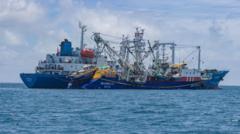
Background and Context of Energy Reliance
The Pacific Islands have historically depended on imported fuels, with approximately 80% of their energy consumption sourced from outside. This reliance leaves them vulnerable to fluctuations in global fuel prices. Between 2020 and 2025, the region witnessed a steady increase in fuel prices, driven by global market dynamics and geopolitical tensions.
The invocation of the Biketawa Declaration in May 2026 aims to address this crisis through enhanced regional cooperation. Established in 2000, the declaration was designed to foster solidarity and coordinate responses to crises, including economic shocks. Its current invocation underscores the urgent need for a collective approach to the ongoing challenges faced by these island nations.
Recent Developments in Regional Cooperation
On May 11, 2026, leaders of the Pacific Islands Forum officially invoked the Biketawa Declaration to tackle the fuel crisis. This coordinated response aims to mitigate the economic impacts of rising fuel prices and enhance energy security across the region. The Forum emphasizes that regional cooperation is essential to effectively address such crises, drawing lessons from past events like the COVID-19 pandemic.
Discussions among Pacific nations are also focusing on implementing alternative energy solutions. Countries like Fiji and the Cook Islands are exploring renewable energy sources to reduce their dependency on imported fuels. This shift is seen as crucial for long-term economic stability and resilience.

Economic Analysis of the Fuel Crisis
The economic consequences of the fuel crisis are profound. GDP across the Pacific Islands is projected to decline by 2-3% in 2026 due to rising fuel costs. Countries heavily reliant on fuels, such as Fiji, are particularly affected. In 2024, Fiji's GDP was approximately $5.5 billion, but projections indicate a decline to $5.3 billion in 2026.
As the fuel crisis unfolds, the trade deficit in the Pacific Islands continues to worsen. In 2025, the deficit was approximately $1.2 billion, largely driven by increased fuel imports. This economic strain is expected to result in heightened unemployment rates, projected to rise from 8% in 2025 to 9% in 2026.
| Country | 2024 GDP (USD Billion) | 2025 GDP Growth (%) | 2026 GDP Growth Forecast (%) | Inflation Rate (%) |
|---|---|---|---|---|
| Fiji | 5.5 | 2.5 | -2.0 | 5.2 |
| Samoa | null | 3.0 | 2.5 | 4.5 |
| Tonga | null | null | null | null |
Country and Continent Economic Comparison
In addition to individual country impacts, the broader economic landscape in Oceania shows a concerning trend. The overall growth rate for the region has declined significantly, with rising fuel prices and economic instability driving this downturn.
| Continent | 2026 Growth Rate (%) | Trend | Driver |
|---|---|---|---|
| Oceania | 2.0 | Declining | Rising fuel prices and economic instability |
Political Consequences of the Crisis
The fuel crisis has significant political ramifications. Local governments are under pressure to respond effectively to the economic fallout. Regional cooperation, as outlined in the Biketawa Declaration, may enhance political stability by fostering solidarity among nations.
However, some critics argue that the declaration may not adequately address the immediate economic impacts on vulnerable populations. Concerns about the feasibility of transitioning to alternative energy solutions amidst current economic constraints linger, potentially complicating political consensus.
“The invocation of the Biketawa Declaration is a crucial step in addressing the fuel crisis collectively.” - Pacific Islands Forum Leader, May 2026
Global Market Reactions to Rising Fuel Prices
Globally, the fuel crisis in the Pacific Islands reflects a broader vulnerability in energy markets. Rising fuel prices have prompted concerns among international investors and governments, highlighting the need for diversified energy sources. The situation in the Pacific Islands may catalyze discussions on energy security and climate resilience at international forums.
In response to increasing instability, stakeholders are advocating for greater U.S. involvement in regional energy initiatives. The economic challenges faced by Pacific Island nations could impact U.S. interests, particularly in trade and diplomatic relations.
Expert Opinions on Energy Solutions
Experts emphasize the urgency of exploring alternative energy solutions to mitigate future vulnerabilities. The Energy Minister of Fiji stated, “We must explore alternative energy solutions to reduce our vulnerability to global fuel price fluctuations.” This sentiment resonates across the region as countries seek sustainable options to decrease reliance on imported fuels.
Renewable energy projects, such as solar and wind, are being discussed as viable alternatives. However, the feasibility of these projects depends on securing investment and technical support, which are critical for successful implementation.
Future Outlook — What Comes Next?
By 2027, the economic outlook for the Pacific Islands will largely depend on how effectively regional leaders implement the measures outlined in the Biketawa Declaration. The success of alternative energy initiatives will play a pivotal role in shaping economic recovery and growth.
Analysts forecast that if these initiatives gain traction, GDP growth may rebound. However, the immediate future remains uncertain, with inflation expected to persist and unemployment rates likely to rise.
Conclusion: Implications for Everyday Lives
The ongoing fuel crisis in the Pacific Islands has profound implications for the daily lives of residents. With rising costs and economic instability, the challenge of securing basic needs has intensified. The invocation of the Biketawa Declaration represents a crucial step toward collective action, but the effectiveness of this approach remains to be seen.
As Pacific nations strive for energy security and economic resilience, the focus must remain on sustainable solutions that prioritize the well-being of their citizens. Strong leadership, regional cooperation, and a commitment to innovative energy solutions are essential for navigating this crisis.
The Bottom Line
The Pacific Islands face a critical juncture in addressing the fuel crisis. The invocation of the Biketawa Declaration reflects a commitment to collective action, yet the realities of rising inflation and economic challenges will test the resilience of these nations. Moving forward, emphasizing alternative energy solutions will be essential to mitigate future vulnerabilities and ensure sustainable growth.
Sources
- RNZ — Pacific Islands Fuel Crisis Overview
- WMO — Economic Analysis of Pacific Islands
Primary Sources
Tags
About the Author
Written by trendednews.trendednews is a passionate writer who loves sharing insights and knowledge through engaging articles.
Related Articles
Ecuador's Debt-for-Nature Swap: A Sustainable Economic Model for Latin America
Nigeria's Poverty Crisis Deepens Amid Political Instability: Outlook for 2026
Nigeria Interest Rate Hike to 24.75%: Economic Impact Explained

SEA Games 2025 Economic Impact: Boosting Thailand and Southeast Asia