
Pakistan's US Lobbying: A Strategic Economic Initiative
Pakistan's Lobbying Strategy: A Direct Economic Response
Pakistan's recent decision to sign a $1.2 million lobbying contract with the Ervin Graves Strategy Group LLC highlights a strategic shift aimed at enhancing defense cooperation, securing access to critical minerals, and strengthening economic diplomacy in the United States. This initiative, initiated in May 2023, involves monthly payments of $50,000 and reflects Pakistan's urgent need to influence U.S. policy amid rising geopolitical tensions in South Asia.
The expansion of lobbying efforts aligns with Pakistan's economic objectives in the face of significant challenges. With a GDP growth rate of approximately 3.5% in 2022 and a projected decline to 3.0% in 2024, the country faces an urgent need to stabilize its economy. Inflation, currently hovering around 12.5%, exacerbates the situation, eroding consumer purchasing power and complicating economic recovery.

Context of US-Pakistan Relations
Historically, the relationship between the United States and Pakistan has fluctuated, shaped by security dynamics and economic interests. Since 2001, the U.S. has provided over $33 billion in military and economic aid to Pakistan. Despite this support, tensions have risen in recent years, particularly as Pakistan navigates complex relationships with neighboring China and India.
As geopolitical competition intensifies, especially with China's Belt and Road Initiative, Pakistan's increased lobbying is a strategic response to secure favorable trade agreements and defense contracts vital for its economic stability and growth.
Current Developments in Lobbying
Pakistan's lobbying efforts focus on several critical areas:
- Defense Cooperation: Securing arms and military support from the U.S.
- Access to Critical Minerals: Attracting foreign investment in Pakistan's mineral resources.
- Broader Economic Diplomacy: Influencing U.S. trade policies to favor Pakistan.
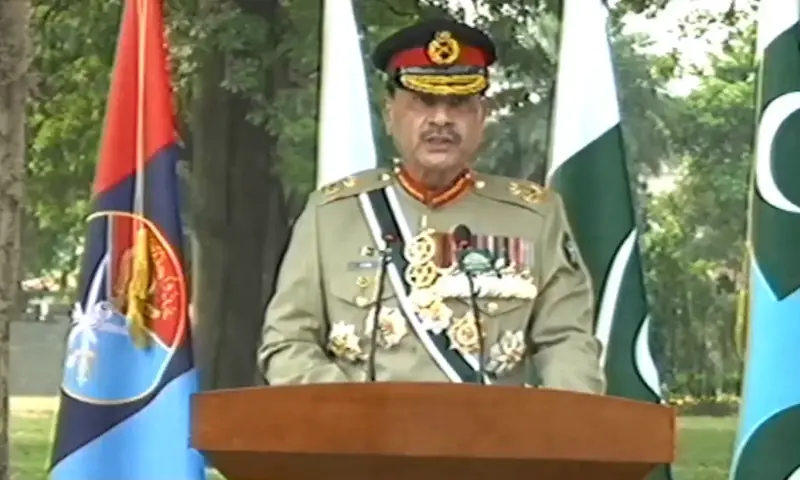
The Chief of Defence Forces, Field Marshal Asim Munir, emphasized the importance of national security, warning of severe consequences for any military misadventures against Pakistan. This underscores the urgency of Pakistan's lobbying efforts to bolster its defense capabilities.
With the U.S.-Pakistan trade relationship valued at approximately $6 billion annually, Pakistan aims to leverage its lobbying to enhance economic ties, which are critical for addressing its dwindling foreign reserves, now approximately $8 billion, down from $16 billion in 2021.
GDP and Financial Analysis
Pakistan's economic landscape shows signs of strain, with inflation impacting consumer behavior and overall economic growth. If successful trade agreements materialize, the lobbying initiative could lead to a potential GDP impact of a 0.5% increase.
| Country | GDP Growth 2022 | GDP Growth 2024 Est. | Debt to GDP | Inflation Rate |
|---|---|---|---|---|
| Pakistan | 3.5% | 3.0% | 85% | 12.5% |
| India | 8.0% | 6.5% | 60% | 5.0% |
| Bangladesh | 6.0% | 5.5% | 40% | 6.0% |
The table illustrates Pakistan's economic challenges, including high debt levels and inflation, which necessitate a robust response. Improvements in trade relationships through effective lobbying could significantly affect its GDP growth trajectory.
Country and Continent Comparison
| Continent | GDP Growth Rate | Trend | Driver |
|---|---|---|---|
| Asia | 5.0% | Stable | Strong economic recovery post-pandemic |
| North America | 2.5% | Declining | Inflationary pressures and interest rate hikes |
This comparison highlights the contrasting economic recovery trajectories between Asia and North America. Pakistan's lobbying efforts could position it to capitalize on Asia's stable growth while mitigating its domestic economic challenges.
Political Consequences of Increased Lobbying
Enhancing lobbying efforts could elevate Pakistan's influence in U.S. policy-making, particularly regarding defense and trade. However, critics argue that without domestic reforms, increased lobbying may not yield significant economic benefits. Some analysts believe that reliance on U.S. lobbying might undermine Pakistan's sovereignty and long-term strategic interests.
"Increased lobbying is essential for enhancing Pakistan's influence in U.S. policy-making," a prominent economic analyst stated. "However, it must be coupled with substantial domestic reforms to ensure sustainable benefits."
Global Market Reaction
Global markets are closely monitoring Pakistan's lobbying activities. A successful outcome could lead to increased foreign investment, particularly in critical mineral sectors vital for economic development. Currently, Pakistan's mineral exports are estimated at $1.5 billion annually, but this figure could rise with favorable U.S. trade agreements.
Positive sentiment in local stock markets may also arise if lobbying leads to advantageous outcomes. Companies in sectors such as mining and defense could see their stock prices increase, providing a boost to the overall economy.
What Experts Are Saying
Experts emphasize that while lobbying is crucial, addressing domestic issues is equally important. The need for reforms in governance, economic policy, and the investment climate remains pressing.
Moreover, analysts note that Pakistan's economic diplomacy should not solely rely on external lobbying efforts but should also foster robust internal strategies to build a resilient economy.
What Happens Next: Outlook
Pakistan's lobbying efforts will likely continue to expand as it seeks to navigate the complex geopolitical landscape. With increasing competition from India and China, Pakistan must strategically position itself to secure necessary defense contracts and trade agreements.
Key indicators to watch include developments in U.S. foreign policy towards Pakistan, the outcomes of lobbying efforts, and domestic economic reforms. If Pakistan successfully leverages its lobbying to secure trade benefits, the potential for improved economic stability exists.
The Bottom Line: What This Means For You
For ordinary Pakistanis, the implications of increased lobbying may translate into job opportunities, improved economic conditions, and better access to essential goods and services. The effectiveness of these efforts will depend significantly on the government’s ability to implement necessary reforms.
As Pakistan embarks on this lobbying journey, the intersection of external influence and internal reform will dictate the country’s economic future.
Sources
- Dawn — Pakistan's expanded lobbying footprint
- FARA filings — Contract details for Ervin Graves Strategy Group LLC
- Economic analysis reports on Pakistan's GDP growth and inflation rates
Primary Sources
Tags
About the Author
Written by trendednews.trendednews is a passionate writer who loves sharing insights and knowledge through engaging articles.
Related Articles

Europe's Economic Resilience Amid Geopolitical Challenges: A WEF Analysis
India's GDP Growth Outlook: Navigating Geopolitical Risks and Export Challenges
Biden Backs IMEC: A Transformative Force for Global Trade Dynamics
IMF Lowers China's 2024 GDP Forecast to 4.4% Amid Ongoing Iran Conflict