
Philippine Political Turmoil: Impacts on Economy and Investor Confidence
Political Turmoil Threatens Economic Stability
The ongoing political turmoil in the Philippines poses a significant threat not only to government stability but also to the overall economic outlook. As of May 2026, the Philippine Congress is embroiled in a power struggle, with a looming threat of impeachment against Vice President Sara Duterte. This conflict has already sparked public protests and heightened uncertainty for investors, who are closely monitoring the situation.
Investor confidence has dwindled considerably, as indicated by a recent survey that shows a drastic decline in sentiment towards the Philippine economy. This political instability has serious implications for foreign direct investment (FDI) and GDP growth, both essential drivers for the country's development.
Background and Context
Historically, the Philippines has experienced cycles of political instability, often leading to negative consequences for its economy. The administration of President Ferdinand Marcos Jr. has faced increasing friction with Vice President Sara Duterte, creating a rift within the ruling coalition. The potential impeachment of Duterte represents a significant escalation in their power struggle, raising concerns about governance and economic stability.
Looking back, the political landscape has often mirrored economic performance. For instance, during the 1986 People Power Revolution, a similar power struggle resulted in a drastic decline in foreign investment and GDP growth. Current events echo those historical precedents, with analysts fearing a repeat of the past.
Current Developments
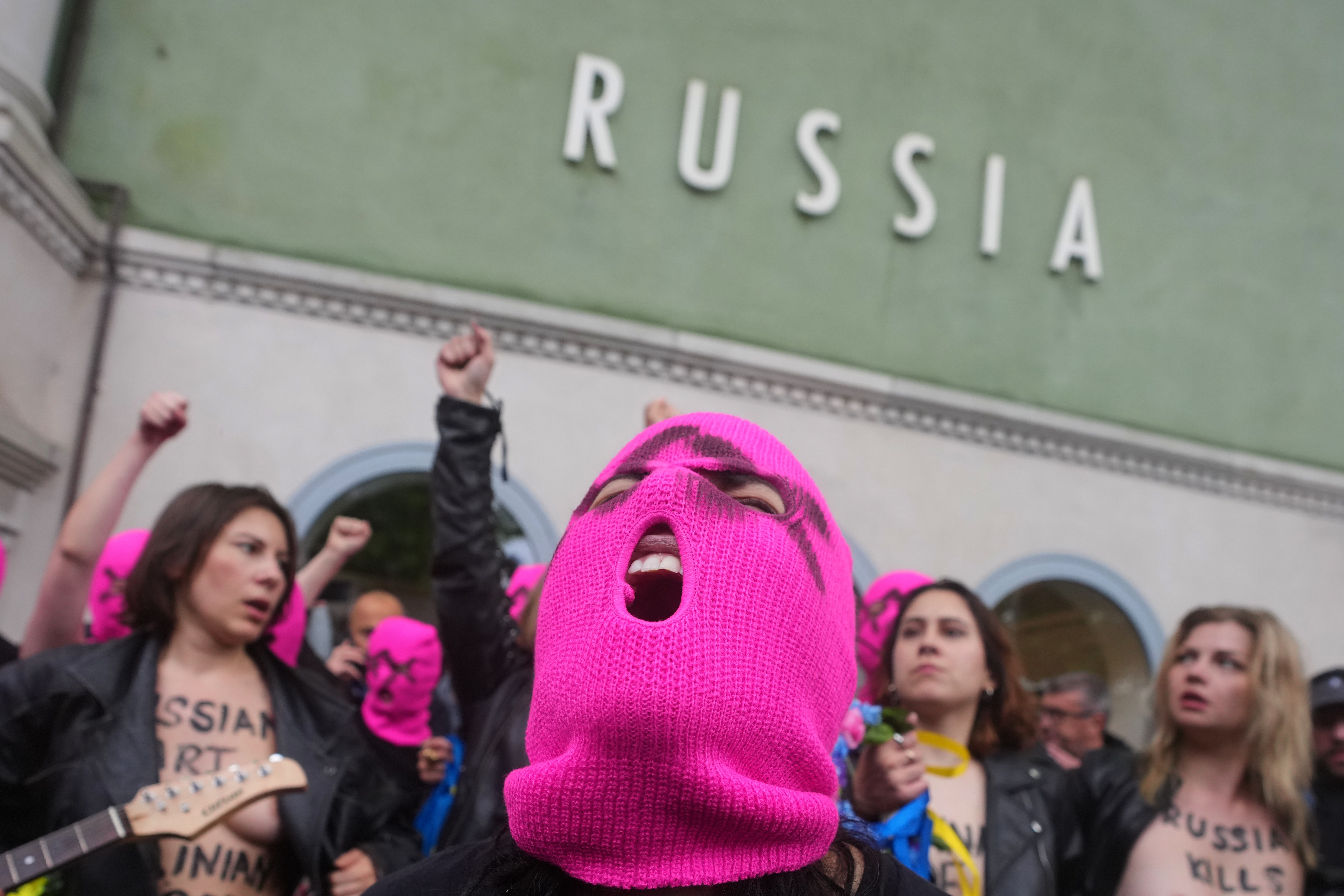
As of May 10, 2026, reports indicate that the impeachment proceedings against Vice President Duterte have gained traction, further polarizing political factions. Public protests have erupted in major cities, including Manila, reflecting widespread dissatisfaction with the government's handling of the crisis.
Investor sentiment has taken a hit, with many businesses reassessing their positions in the region. The Philippine stock market has already seen a significant decline, dropping approximately 10% in the first quarter of 2026. Analysts now predict further economic downturn if political instability persists.
GDP and Financial Analysis
The Philippine economy is showing signs of strain, with GDP growth dropping from 5.5% in 2025 to an estimated 4% for 2026. This decline is attributed to the ongoing political turmoil and its effects on investor confidence and economic activity. The following table summarizes key economic indicators for the Philippines compared to regional peers:
| Country | GDP Growth 2025 | GDP Growth Forecast 2026 | FDI Inflows 2025 | Inflation Rate 2025 |
|---|---|---|---|---|
| Philippines | 5.5% | 4% | $10 billion | 4.2% |
| Vietnam | 6.5% | 6.8% | $15 billion | 3.5% |
| Indonesia | 5.0% | 5.5% | $12 billion | 3.8% |
The inflation rate, reported at 4.2% in 2025, is expected to rise as political unrest disrupts supply chains, leading to increased costs for consumers. Furthermore, the trade deficit has expanded to approximately $3 billion, complicating economic recovery.
Country/Continent Comparison
When examining economic projections for the region, the Philippines is lagging behind its neighbors. Vietnam and Indonesia have demonstrated greater economic resilience and stability, which could further attract foreign investment away from the Philippines. The following table outlines GDP growth projections for the region:
| Country | GDP Growth 2025 | GDP Growth Forecast 2026 | Debt/GDP | Inflation Rate |
|---|---|---|---|---|
| Philippines | 5.5% | 4% | 60% | 4.2% |
| Vietnam | 6.5% | 6.8% | 45% | 3.5% |
| Indonesia | 5.0% | 5.5% | 55% | 3.8% |
The economic outlook for the Philippines appears bleak, particularly as political risks mount. Should investor confidence continue to decline, the economy could face a recessionary spiral.
Political Consequences
The political struggle in the Philippines has significant ramifications beyond immediate governance issues. If the impeachment proceedings against Vice President Duterte continue, analysts predict a governance vacuum, which could further destabilize the economy.
Public sentiment is also shifting. A Pew Research survey from 2025 revealed that only 40% of Filipinos were satisfied with their political leadership, indicating a growing disconnect between the government and its citizens. This dissatisfaction is likely to manifest in increased social unrest, further complicating the government’s ability to implement economic reforms.
The ongoing political turmoil is severely undermining investor confidence in the Philippines. - Analyst, Al Jazeera, May 2026
Global Market Reaction
The implications of the Philippines' political turmoil extend to global markets. Investors are becoming more cautious in emerging markets, which could lead to a broader decline in economic confidence across Southeast Asia. U.S. businesses operating in the region are also reassessing their strategies, potentially reducing investments and altering trade agreements.
Furthermore, the Philippines' deteriorating political situation may prompt neighboring countries to bolster their own economic stability measures, further isolating the Philippines in the region. This trend could have long-term consequences for trade and investment flows.
What Experts Are Saying
Economic experts are voicing concerns about the potential fallout from the ongoing political crisis.
If the impeachment proceedings continue, we could see a significant slowdown in economic growth. - Economic Expert, May 2026
Financial analysts warn that the current political instability is likely to exacerbate inflation and unemployment rates in the coming months. The combination of rising prices and job losses could have devastating effects on ordinary Filipinos.
What Happens Next — Outlook
Looking forward, the Philippine economy faces a precarious path. By 2027, GDP growth is projected to decline further if political stability is not restored. Analysts forecast a GDP growth rate of around 4%, with inflation likely to rise above 5% as political unrest continues to disrupt supply chains.
The Philippine peso has already depreciated by approximately 8% against the U.S. dollar since January 2026, and if political instability persists, further declines are expected. The ongoing trade deficit and rising unemployment rates may lead to a more profound economic crisis.
The Bottom Line: What This Means For You
For ordinary Filipinos and investors alike, the current political turmoil presents significant challenges. Decreased investor confidence, rising inflation, and potential job losses pose risks to economic stability. As political developments unfold, staying informed will be crucial for assessing investment decisions and personal finance strategies.
The Philippine government must address the political crisis swiftly to restore confidence and stabilize the economy. Failure to do so could have far-reaching consequences for both local and international stakeholders.
Sources
- Al Jazeera — Philippine Political Turmoil and Economic Impacts
- Pew Research Center — Public Sentiment on Philippine Leadership
- Economic Forecasts — 2026 Overview
Primary Sources
Tags
About the Author
Written by trendednews.trendednews is a passionate writer who loves sharing insights and knowledge through engaging articles.
Related Articles

India's Projected GDP Growth of 6.8%-7.2%: Navigating Geopolitical Risks and Export Challenges
Trump's Proposed Secondary Tariffs on Russia: Analyzing the Economic Fallout
New Zealand's Visa-Free Travel for Pacific Islanders: Economic Impacts
Biketawa Declaration Activated: Addressing the Economic Impact of the Pacific Islands Fuel Crisis