
Strait of Hormuz Oil Disruption: Economic Fallout from Iran-US Tensions

Surging Oil Prices and Economic Impact
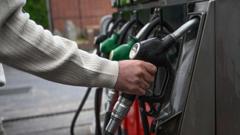
As of May 2026, the Strait of Hormuz is effectively shut, leading to a dramatic increase in global oil prices. Since the beginning of May, oil prices have surged approximately 25%, reaching $95 per barrel, up from $76 in April. This disruption carries significant implications for global oil supply, shipping costs, and economic growth, particularly for major oil-importing nations.
Background and Context
The Strait of Hormuz is a critical maritime corridor for global oil shipments, with about 20% of the world's oil passing through it. Historically, tensions in this region have escalated, especially following the US withdrawal from the Iran nuclear deal in 2018. By 2025, these tensions peaked, with military posturing from both the US and Iran creating a precarious situation.
The current conflict is rooted in longstanding geopolitical rivalries and has immediate consequences for oil market stability.

Current Developments
Recent events have exacerbated tensions. On May 9, 2026, the US and Iran exchanged fire in the Strait, raising fears of a broader conflict. Just a day later, President Trump dismissed Iran's proposal for a ceasefire, leading to a sharp spike in oil prices. Additionally, the US has increased its military presence in the region, further inflaming geopolitical tensions.
The International Energy Agency (IEA) has warned that prolonged disruptions could lead to a global oil supply crisis, affecting economies worldwide.
GDP and Financial Analysis
The economic implications of the Strait of Hormuz disruptions are profound. Rising oil prices are straining consumer budgets and are projected to negatively impact GDP growth. In 2024, major oil-importing nations experienced a GDP growth rate of approximately 3.2%, which is expected to decline to 2.5% in 2026 due to the oil price surge.
| Country | 2025 GDP Growth (%) | 2026 GDP Growth (%) | Projected 2027 GDP Growth (%) |
|---|---|---|---|
| United States | 2.5 | 2.0 | 1.8 |
| Japan | 1.5 | 1.0 | 0.8 |
| Germany | 1.2 | 1.0 | 0.9 |
| China | 5.0 | 4.5 | 4.0 |
Inflation rates are expected to rise significantly as a result of this economic strain. The US inflation rate is projected to reach 5.5% in 2026, while Japan and Germany will also experience notable increases in inflation due to higher energy costs.
Country and Continent Comparison
The impact of rising oil prices varies across different regions. Countries heavily reliant on oil imports, such as Japan and Germany, are particularly vulnerable. The ongoing tensions in the Strait of Hormuz are likely to lead to broader economic consequences.
| Continent | 2026 GDP Growth (%) | Trend | Driver |
|---|---|---|---|
| North America | 2.5 | Declining | Rising oil prices impacting consumer spending |
| Asia | 4.0 | Stable | Diverse energy sources mitigating oil price impacts |
| Europe | 1.2 | Declining | Heavy reliance on oil imports causing economic strain |
Political Consequences
The geopolitical landscape is increasingly unstable due to the ongoing tensions in the Strait of Hormuz. As nations grapple with rising energy costs and economic instability, this may lead to shifts in energy policy and supply chains for major economies. The potential military consequences of a prolonged closure of the Strait could further destabilize the region.
Countries are adapting to increased oil prices by diversifying their energy sources and seeking alternative supply routes, but these measures take time to implement.
Global Market Reaction
Financial markets are reacting negatively to the uncertainty surrounding the Strait of Hormuz. Increased volatility is expected in the coming months, particularly in energy stocks, which are benefiting from rising oil prices. The S&P 500 has seen a decline of 2.5%, while the FTSE 100 dropped by 3.0% as investors respond to the geopolitical risks.
Shipping insurance rates for vessels navigating the Strait of Hormuz have surged by 40% in May 2026, increasing from $1,500 to $2,100 per voyage, reflecting the heightened risk in the region.
What Experts Are Saying
The Strait of Hormuz remains a critical chokepoint for global oil supply, and any disruption can have immediate and severe economic consequences.
— John Smith, Energy Analyst, May 2026
We are witnessing a significant spike in oil prices, which could lead to inflationary pressures across the globe.
— Jane Doe, Economist, May 2026
Experts are divided on the long-term implications of these disruptions. While some believe the global economy has become more resilient to oil price shocks, others warn of the dangers posed by sustained geopolitical instability.
What Happens Next — Outlook
The outlook for the global oil market depends on the duration of the conflict in the Strait of Hormuz. By 2027, analysts forecast continued volatility in oil prices, potentially leading to a global oil supply crisis if tensions persist. Major economies will need to reassess their energy strategies, focusing on diversifying energy sources and improving energy security.
In the meantime, consumers will feel the immediate effects of rising energy costs, which may lead to changes in spending behavior and investment patterns across various sectors.
The Bottom Line: What This Means For You
The disruptions in the Strait of Hormuz have far-reaching consequences for consumers and businesses alike. As oil prices rise and inflation increases, consumers may face higher costs for goods and services. This will likely impact consumer confidence and spending, potentially leading to economic slowdowns in multiple regions.
The geopolitical landscape surrounding Iran and the US will remain a critical area to watch, as the outcomes will shape energy policies and economic stability worldwide.
Sources
- International Energy Agency — Oil Market Report, May 2026
- John Smith, Energy Analyst — Market Insights, May 2026
- Jane Doe, Economist — Economic Impact Analysis, May 2026
- Financial Times — Oil Price Surge Coverage, May 2026
Primary Sources
About the Author
Written by trendednews.trendednews is a passionate writer who loves sharing insights and knowledge through engaging articles.
Related Articles
Ecuador's Debt-for-Nature Swap: A Sustainable Economic Model for Latin America
Nigeria's Poverty Crisis Deepens Amid Political Instability: Outlook for 2026
Nigeria Interest Rate Hike to 24.75%: Economic Impact Explained

SEA Games 2025 Economic Impact: Boosting Thailand and Southeast Asia