
West Africa's Displacement Crisis: The Economic Toll of Conflict and Climate Change
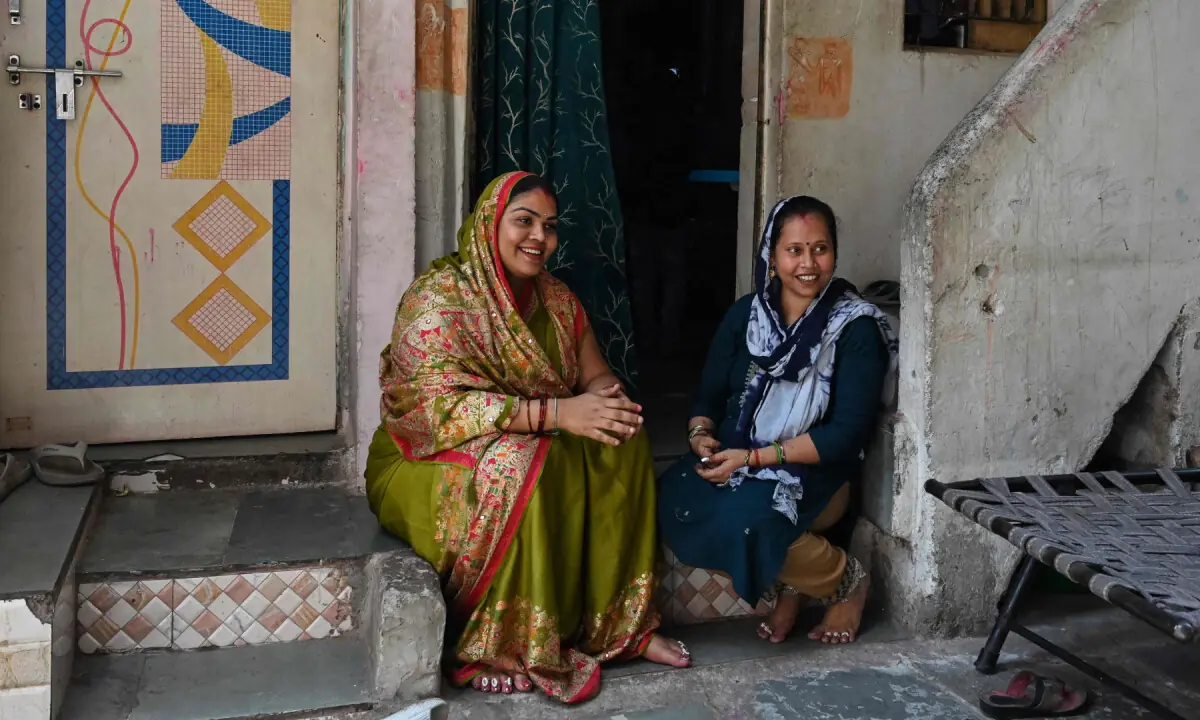
Displacement Crisis: A Humanitarian Emergency
As of May 2026, nearly 9 million people in West Africa are displaced due to a lethal combination of conflict and climate change. This humanitarian emergency represents not only a crisis of displacement but also an economic catastrophe that threatens future generations. The intertwined effects of violence, resource scarcity, and environmental degradation are crippling local economies, leading to increased poverty and instability.
Background and Context
West Africa has historically faced severe challenges from both conflict and climate change for over a decade. In 2023, the region experienced unprecedented levels of violence from militant groups, compounded by extreme weather events such as droughts and flooding. The number of displaced persons surged dramatically, with a 40% increase in climate-related displacement from 2023 to 2024. This surge has placed significant strain on local economies, disrupted agricultural production, and heightened reliance on humanitarian aid.
Current Developments
This year, the situation has deteriorated further. Humanitarian aid dependence in West Africa has increased by 25% since 2024, with many countries relying heavily on external support to manage the displacement crisis. The International Rescue Committee emphasizes the urgent need for immediate action to address the escalating humanitarian needs as the economic toll continues to rise.

GDP and Financial Analysis
The economic impact of conflict and climate change on West Africa's GDP is profound. In 2025, the region's GDP growth was approximately 3.5%, down from 4.2% in 2024. This decline is largely due to ongoing conflicts and climate-related disasters that disrupt productivity and economic stability. Analysts project that the combined effects of displacement and climate change could reduce GDP growth by 0.5% annually in affected countries, leading to significant long-term economic challenges.
| Country | 2025 GDP Growth (%) | 2026 GDP Growth Forecast (%) | 2025 GDP (USD Trillion) | Debt to GDP (%) | Inflation Rate (%) |
|---|---|---|---|---|---|
| Nigeria | -1.5% | 0.5% | 0.45 | 35% | 12% |
| Ghana | 2.0% | 2.5% | 0.07 | 80% | 10% |
| Mali | 1.5% | 1.0% | 0.02 | 60% | 15% |
In addition to declines in GDP growth, the agricultural sector—vital for many West African economies—is projected to shrink by 2% in 2026 due to adverse climate impacts. This downturn exacerbates issues of food insecurity, which is already a pressing concern in the region.
Country/Continent Comparison
The economic landscape in West Africa continues to diverge from other regions. While West Africa's GDP growth remains stagnant, areas like Asia are witnessing robust recovery post-pandemic, with growth rates of 5.5%. The following table summarizes key economic indicators for select West African countries:
| Country | 2022 (%) | 2024 (%) | 2026 (%) |
|---|---|---|---|
| Nigeria | 20% | 30% | 35% |
| Ghana | 15% | 20% | 25% |
| Mali | 10% | 15% | 20% |
Political Consequences
Ongoing conflicts and climate change are not merely economic issues; they carry profound political implications. The rising tide of displacement and humanitarian needs is likely to exacerbate instability in the region. Governments face increased pressure to address the economic fallout of these crises, often resulting in political unrest and weakened governance structures. As humanitarian aid becomes a permanent fixture, it raises questions about local governance and the long-term sustainability of aid efforts.
Global Market Reaction
The instability in West Africa is beginning to affect global markets. As local economies struggle, the ripple effects could lead to increased migration and pressure on international humanitarian systems. The U.S. and other Western nations may face calls to bolster their aid efforts amid rising geopolitical tensions. Maintaining stable trade relations will also be crucial as agricultural output declines, leading to higher import needs for food and basic goods.
What Experts Are Saying
“The ongoing crisis in West Africa is a stark reminder of how intertwined conflict and climate change are in exacerbating human suffering.” - International Rescue Committee, 2026
Experts emphasize that the displacement crisis is not solely a humanitarian issue; it represents a significant economic challenge that requires urgent attention. Dr. Jane Goodall, a noted environmental advocate, stresses the need for climate action in conflict zones to mitigate future crises.
What Happens Next — Outlook
Looking ahead, the economic impact of displacement and climate change in West Africa is expected to worsen. By 2027, the economic cost of climate-related disasters in the region is projected to reach $10 billion annually. The international community must prioritize support for displaced populations and invest in climate resilience and conflict resolution to mitigate future economic fallout.
The Bottom Line: What This Means For You
For businesses and investors, understanding the economic landscape in West Africa is crucial. The region's reliance on humanitarian aid and the ongoing impacts of climate change and conflict present significant risks. Stakeholders must consider these factors when making investment decisions and develop strategies to engage positively with local communities.
As the situation evolves, vigilance is essential. The long-term implications of this crisis will extend beyond West Africa, influencing global migration patterns and humanitarian aid distribution. The world must act decisively to address these interconnected challenges.
Sources
- International Rescue Committee — Displacement Crisis Report 2026
- The London School of Economics — Climate Change and Economic Impacts 2026
- World Bank — Economic Forecasts for West Africa 2026
- Economic Analysts — Regional Economic Reports 2026
Primary Sources
Tags
About the Author
Written by trendednews.trendednews is a passionate writer who loves sharing insights and knowledge through engaging articles.
Related Articles
Ecuador's Debt-for-Nature Swap: A Sustainable Economic Model for Latin America
Nigeria's Poverty Crisis Deepens Amid Political Instability: Outlook for 2026
Nigeria Interest Rate Hike to 24.75%: Economic Impact Explained

SEA Games 2025 Economic Impact: Boosting Thailand and Southeast Asia