
Germany's Economic Slowdown: External Pressures and Structural Challenges
Germany's Economic Slowdown: A Dire Situation
Germany's economy is teetering on the edge of stagnation. With GDP growth projected at just 0.5% for 2023—a sharp decline from 2.7% in 2022—the nation faces escalating challenges that could lead to a recession.
Inflation soared to 6.1% in September 2023, significantly eroding consumer purchasing power and confidence. Coupled with low consumer sentiment, which registered at 75.3 in October 2023—the lowest level since 2020—this situation signals profound stress for ordinary Germans.

Background and Context
Germany's economic troubles arise from both external and internal factors. On the external front, former President Trump's Iran policy has disrupted global energy markets and trade dynamics, particularly impacting Germany's energy-intensive industries. Additionally, ongoing global trade tensions, especially with the US and China, have resulted in a 3% decline in German exports during the first half of 2023.
Internally, Germany faces significant structural issues, notably an aging population projected to reduce the workforce by one million by 2030. This demographic shift increases dependency ratios, straining social services and economic productivity.
Current Developments
Recent government initiatives, including a €50 billion stimulus package announced in August 2023, aim to mitigate these economic challenges. However, the manufacturing sector has contracted for six consecutive months, indicating persistent weaknesses.
As companies adjust to lower demand, the unemployment rate has risen to 5.5%, up from 5.0% in 2022. This trend suggests a looming labor market crisis as businesses grapple with increasing operational costs and declining sales.
GDP and Financial Analysis
| Country | GDP Growth 2024 | Inflation Rate | Debt to GDP |
|---|---|---|---|
| Germany | 0.5% | 6.1% | 60% |
| France | 1.2% | 5.5% | 115% |
| Italy | 0.8% | 6.0% | 150% |
Germany's debt-to-GDP ratio remains manageable at approximately 60%, below the EU's threshold. However, the rising inflation rate, combined with stagnant growth, raises concerns about the fiscal space available for future economic initiatives.
Country/Continent Comparison
| Region | GDP Growth | Trend | Driver |
|---|---|---|---|
| Europe | 1.0% | Declining | Economic slowdown due to structural issues and external pressures. |
| Asia | 4.5% | Rising | Strong recovery post-pandemic and increased trade activity. |
This comparison underscores Germany's struggle against broader European economic trends. While other regions, particularly Asia, gain momentum, Germany's stagnation could lead to a relative decline in its global standing.
Political Consequences
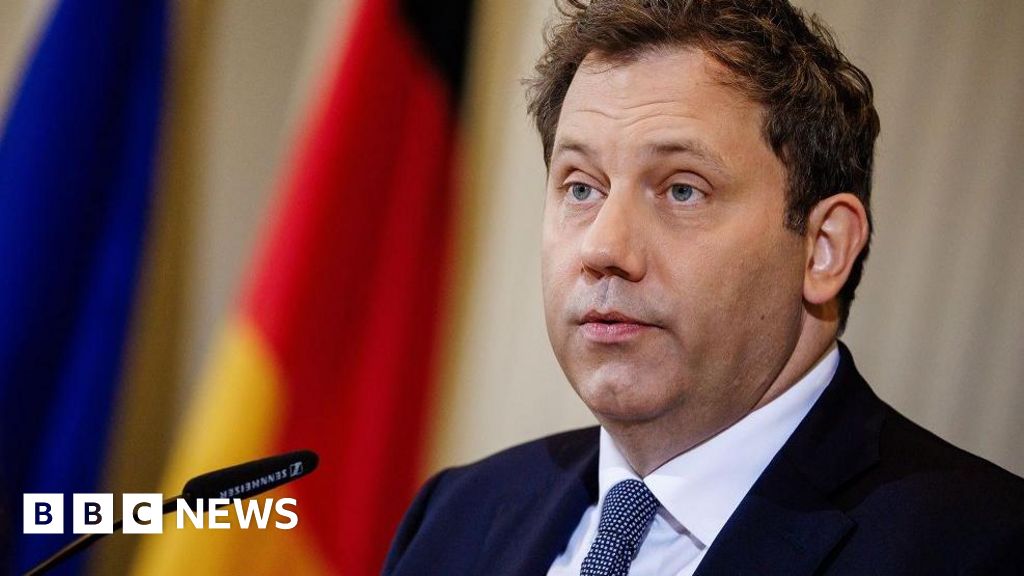
Germany's economic woes have significant political ramifications. Finance Minister Lars Klingbeil has publicly criticized external policies, stating,
'The US president's irresponsible war in Iran is harming our economy.'This sentiment reflects a growing frustration among German leaders regarding the impact of foreign policy decisions on domestic economic health.
Moreover, rising economic discontent may fuel populism and challenge the ruling coalition as voters express dissatisfaction with stagnating wages and high living costs.
Global Market Reaction
Germany's economic slowdown is sending shockwaves through global markets. Investors are wary of potential ripple effects across the Eurozone, which could exacerbate economic challenges for neighboring countries. A downturn in Germany may also affect US exports to Europe, particularly impacting American manufacturers reliant on German technology and automotive industries.
What Experts Are Saying
Analysts argue that Germany's structural issues are exacerbated by external pressures. An unnamed analyst remarked,
'Germany's structural issues are compounded by external pressures, making recovery challenging.'This viewpoint highlights the complexity of Germany's economic landscape, where internal reforms are crucial but hindered by external uncertainties.
Business leaders emphasize the urgent need for substantial investments in digital infrastructure. One noted,
'Without significant investment in digital infrastructure, we risk falling behind globally.'This underscores the necessity for Germany to adapt to the digital economy.
What Happens Next — Outlook
Looking ahead, Germany must navigate a precarious economic landscape. Projections for GDP growth remain bleak, and external pressures show no signs of abating. Continued contraction in manufacturing and a potential rise in unemployment could further undermine consumer confidence.
Policymakers must prioritize structural reforms, particularly in digital transformation, while addressing the immediate challenges posed by inflation and global trade tensions.
The Bottom Line: What This Means For You
The current economic slowdown in Germany will have direct implications for everyday citizens. With rising inflation and stagnant wages, many families may find it increasingly difficult to make ends meet. Furthermore, job security could become a pressing concern as businesses adapt to a changing market landscape.
In this broader context, Germany's economic health is critical for the stability of the Eurozone. As the region's largest economy, a prolonged slowdown could lead to cascading effects, impacting trade, investment, and overall economic growth across Europe.
Sources
- Bundesbank Economic Forecasts - Economic Report 2023
- Statista - Germany Economic Overview 2023
- Eurostat - Inflation and Economic Growth Data
- Reuters - Germany's Economic Challenges Amid Global Tensions
- Bloomberg - Analysis of Germany's Digital Infrastructure Investment
Primary Sources
Tags
About the Author
Written by trendednews.trendednews is a passionate writer who loves sharing insights and knowledge through engaging articles.
Related Articles

Strait of Hormuz Oil Supply Risks: Impacts on Asian Economies

Venezuela Crisis: US Military Action, Economic Fallout, and Argentina's Role
East Africa's Hotel Boom: Kenya, Uganda, Ethiopia, and Tanzania Lead Growth

Mexico's Disappearance Crisis: Economic Fallout and State Complicity