
Germany's Economic Slowdown: Structural Issues and External Blame
Germany Faces Economic Crisis Amid Blame Game
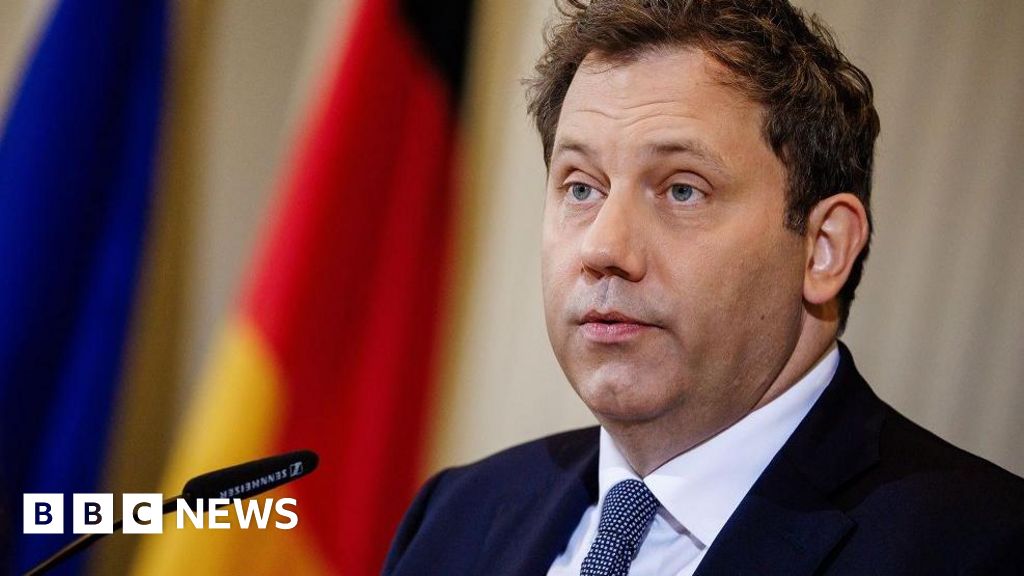
Germany's GDP growth is projected at a mere 1.2% for 2023, a sharp decline from 2.7% in 2022. This downturn has prompted German Finance Minister Lars Klingbeil to attribute the economy's woes to external factors, specifically citing 'Trump's irresponsible war' in the Middle East. However, this external blame conceals significant structural issues that have been eroding Germany's economic strength for years.

Background and Context
Germany, once the economic powerhouse of Europe, is now grappling with an aging population, high energy dependence, and declining competitiveness. As of 2023, approximately 21% of the German population is over 65, contributing to a shrinking workforce and increasing healthcare costs. Furthermore, Germany's energy imports constitute around 70% of its needs, leaving it vulnerable to price fluctuations influenced by geopolitical tensions.
The country has also seen a significant drop in its position on the World Economic Forum's Global Competitiveness Index, falling from 4th to 9th place since 2019. These factors, combined with external shocks like the Ukraine war and rising global energy prices, have created a perfect storm for the German economy.
Current Developments
As of October 2023, reports indicate a 3% year-on-year decline in German exports and a contraction of 2.5% in the manufacturing sector in the last quarter. Consumer confidence has plummeted, with a staggering 30% drop since early 2023. Unemployment now stands at 5.5%, with expectations of further increases as economic pressures mount.
Inflation, currently at 6.5%, continues to erode consumer purchasing power, exacerbating the economic slowdown. The trade balance has narrowed significantly, with a deficit of approximately €10 billion reported in Q3 2023.
GDP and Financial Analysis
Germany's economic indicators paint a grim picture. The projected GDP growth of 1.2% for 2023 highlights a worrying trend of stagnation. While the country's public debt remains relatively stable at 60% of GDP, its investment in technology has decreased by about 15% since 2021.
| Country | GDP Growth 2024 | Debt to GDP | Inflation Rate |
|---|---|---|---|
| Germany | 1.2% | 60% | 6.5% |
| France | 1.5% | 115% | 5.8% |
| Italy | 1.0% | 150% | 6.0% |
| UK | 1.3% | 100% | 5.5% |
| Canada | 2.0% | 88% | 4.5% |
| Japan | 1.0% | 260% | 3.0% |
| US | 2.5% | 120% | 3.5% |
This table illustrates Germany's lagging performance compared to its G7 peers. While Germany's public debt remains manageable, the high inflation rate and declining GDP growth raise concerns about long-term economic stability.
Country/Continent Comparison
Germany's struggles are not isolated; they reflect broader trends within Europe. Economic growth across the continent is projected to decline as major economies face similar challenges.
| Region | GDP Growth 2024 | Trend | Driver |
|---|---|---|---|
| Europe | 1.2% | Declining | Economic slowdowns in major economies like Germany and Italy |
| North America | 2.5% | Stable | Strong consumer spending and recovery from pandemic impacts |
Germany's economic outlook starkly contrasts with North America, where growth remains stable. The European economy's declining trend, driven largely by Germany's slowdown, may lead to further regional instability.
Political Consequences
The political ramifications of Germany's economic issues are significant. With the Finance Minister attributing economic woes to external factors, there is a risk of deflecting attention away from necessary domestic reforms. Critics argue that focusing solely on Trump’s foreign policy as a scapegoat prevents addressing internal weaknesses.
"Germany's structural issues are being overshadowed by external factors," says economic analyst Dr. Anna Schmidt.
This perspective underscores the need for political leaders to prioritize reforms that tackle aging demographics, energy dependence, and declining competitiveness. Failure to act may lead to increased political instability and public discontent.
Global Market Reaction
Global markets have reacted negatively to Germany's economic downturn. The DAX has fallen 2.5% as investors express concern over the country's economic prospects. A weak German economy can lead to reduced demand for imports, affecting global trade dynamics.
The US and other countries may experience indirect consequences. A slowdown in Germany could reduce demand for US exports, particularly in sectors reliant on German manufacturing.
What Experts Are Saying
Market expert John Müller emphasizes the urgent need for reforms, stating, "The decline in competitiveness is alarming and needs urgent attention." As the economic landscape shifts, analysts are calling for strategic investments in technology and innovation to regain lost ground.
What Happens Next — Outlook
The outlook for Germany remains uncertain. Analysts predict potential increases in unemployment rates as economic pressures persist. The government may need to implement stimulus measures to bolster consumer confidence and investment in key sectors.
Takeaway: Germany must confront its structural issues while navigating external challenges. Addressing these internal problems is crucial to prevent a deeper economic crisis.The Bottom Line: What This Means For You
For ordinary Germans, the economic slowdown signifies tighter budgets and reduced purchasing power. Higher inflation rates and decreasing job security may lead to increased financial anxiety. For investors, understanding Germany's trajectory is crucial for anticipating market movements in Europe and beyond.
Continued focus on structural reforms, alongside a pragmatic approach to external challenges, will be essential for stabilizing Germany's economy and restoring its position as Europe's economic leader.
Sources
- Deutsche Bundesbank — Economic Outlook 2023
- World Economic Forum — Global Competitiveness Report 2023
- Eurostat — Inflation and Economic Growth Data
- Reuters — German Economic Slowdown Analysis
- Bloomberg — Market Reactions to Germany's Economic Performance
Primary Sources
Tags
About the Author
Written by trendednews.trendednews is a passionate writer who loves sharing insights and knowledge through engaging articles.
Related Articles

Strait of Hormuz Oil Supply Risks: Impacts on Asian Economies

Venezuela Crisis: US Military Action, Economic Fallout, and Argentina's Role
East Africa's Hotel Boom: Kenya, Uganda, Ethiopia, and Tanzania Lead Growth

Mexico's Disappearance Crisis: Economic Fallout and State Complicity