
UAE-Saudi Arabia Economic Rivalry: Implications for Investment and Growth
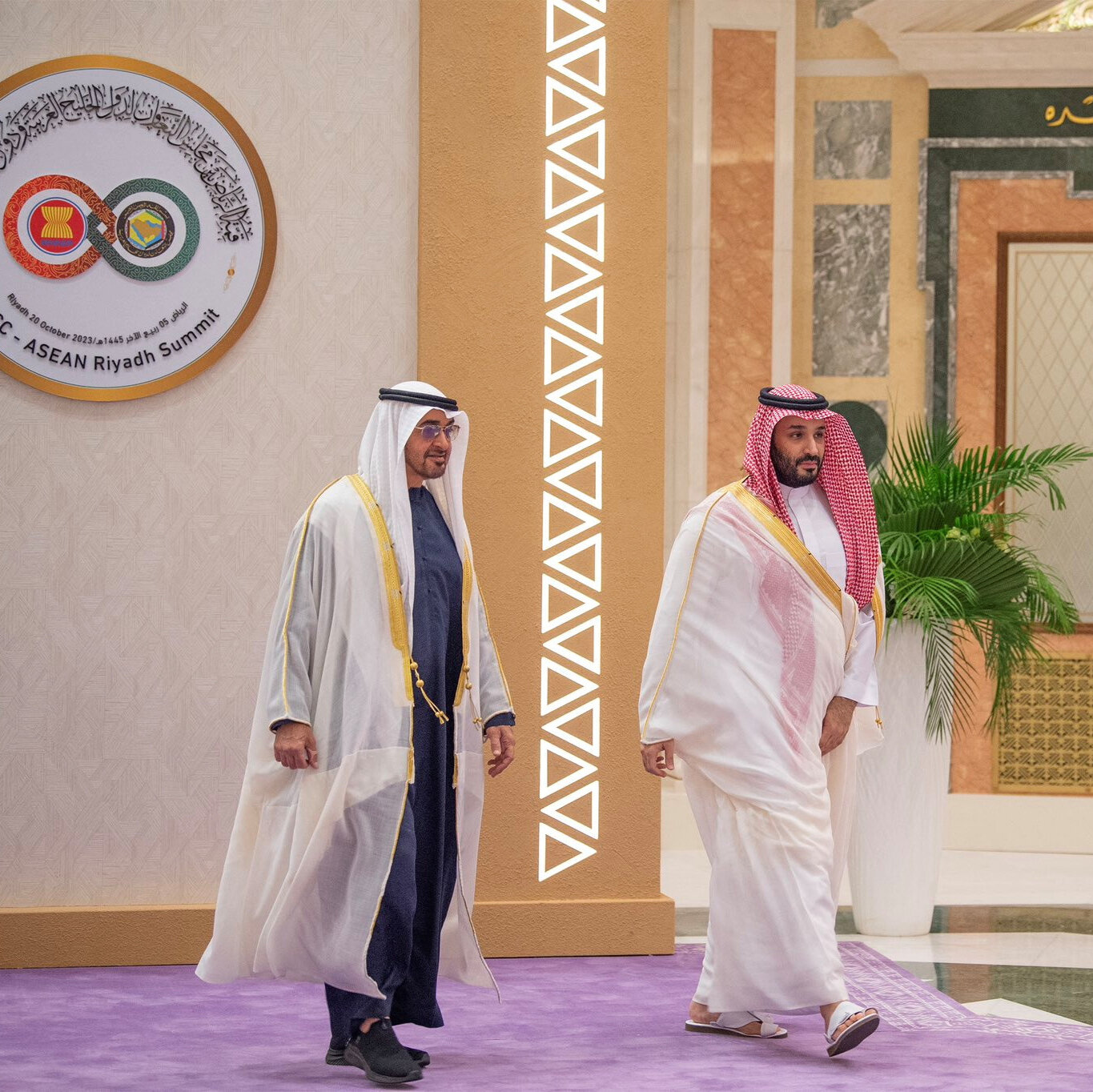
A Clash of Titans: The Economic Face-off of the UAE and Saudi Arabia
In the shimmering skyline of Dubai, where skyscrapers pierce the sky and luxury cars glide through the streets, a subtle yet fierce rivalry brews. The United Arab Emirates (UAE) has announced its exit from the Organization of the Petroleum Exporting Countries (OPEC), a move that could redefine the dynamics of oil production and market shares in the Gulf region. As oil prices fluctuate, the stakes have never been higher. This rivalry shapes not only the economic landscape of the UAE and Saudi Arabia but also impacts the lives of millions within and beyond their borders.
Historically, both nations have collaborated within OPEC, but their diverging paths now reflect a broader struggle for economic independence and regional dominance. The UAE aims to position itself as a global hub for technology and tourism, while Saudi Arabia is steadfastly pursuing its ambitious Vision 2030 initiative aimed at economic diversification. What does this rivalry mean for ordinary people? The answer lies in burgeoning investment flows, evolving market shares in key sectors, and the overarching quest for stability in an unpredictable geopolitical landscape.
Background and Context
The UAE and Saudi Arabia have maintained a delicate balance within the Gulf Cooperation Council (GCC), cooperating on various fronts while competing in oil production and influence. However, as both nations strive to reduce their dependency on oil, their economic strategies have begun to diverge significantly. The UAE focuses on becoming a global tourist destination and a tech powerhouse, while Saudi Arabia is committed to reshaping its economy through Vision 2030, aiming for diversification beyond oil reliance.
The announcement of the UAE's exit from OPEC on October 15, 2023, marked a pivotal moment in this rivalry. UAE Minister of Energy, Suhail Mohamed Faris Al Mazrouei, stated,
“The UAE's exit from OPEC is a strategic move to enhance our energy independence and economic diversification.”This indicates a significant shift in the dynamics of oil production and market shares.
Saudi Arabia, with its vast oil reserves, has long wielded considerable influence over OPEC and global oil prices. Yet, with the UAE's decision, the balance of power within the organization is shifting, potentially leading to increased competition for market share. Each country is now vying to attract investment in critical sectors, further entrenching their economic rivalry.
Current Developments
Recent developments highlight the intensifying competition between the two nations. On October 10, 2023, Saudi Aramco reported a staggering 26% increase in profits for Q1 2023, amounting to $33.6 billion, underscoring the resilience of its oil sector amid geopolitical instability. Meanwhile, the UAE unveiled plans for a $40 billion investment in technology and tourism sectors, aiming to solidify its position as a leader in these fields.
As both countries pursue their economic agendas, tensions have risen over oil production quotas. Analysts predict a potential drop in oil prices as the UAE ramps up production, which could have detrimental effects on Saudi Arabia's revenue. Saudi Arabia's Minister of Finance, Mohammed Al-Jadaan, reaffirmed the nation's commitment to Vision 2030, stating,
“Saudi Arabia remains committed to its Vision 2030 plan, which aims to reduce our dependency on oil and diversify our economy.”
The ongoing rivalry has immediate implications for investment flows and market dynamics. The UAE's departure from OPEC allows it to increase its oil production capacity, potentially leading to a 5% increase in GDP by 2025. In contrast, analysts estimate Saudi Arabia's GDP growth at 3.2% for 2024, driven by oil revenues and ongoing diversification efforts.
GDP and Financial Analysis
The economic impact of the UAE-Saudi Arabia rivalry can be quantified through various metrics, particularly GDP growth, investment flows, and sector contributions. The UAE's non-oil GDP is projected to grow by 4.5% in 2024, while Saudi Arabia's non-oil sector growth is expected at 3.5%. This divergence illustrates the UAE's successful pivot toward technology and tourism, sectors that are becoming increasingly vital in the modern economy.
| Country | GDP Growth 2024 | Non-Oil GDP Contribution | Tech Sector FDI |
|---|---|---|---|
| UAE | 4.5% | 70% | $1 billion |
| Saudi Arabia | 3.2% | 50% | $500 million |
Investment flows between the two nations have been strained, with the UAE focusing on attracting foreign direct investment (FDI) in the tech sector, projected to reach $1 billion in 2024. Meanwhile, Saudi Arabia aims for $500 million in tech sector FDI. The competition in tourism is equally pronounced, with the UAE expecting to generate approximately $40 billion in tourism revenue by 2024, compared to Saudi Arabia's target of $20 billion.
This economic rivalry is expected to affect consumer prices as well. In the UAE, consumer prices are projected to rise by 2.5% in 2024 due to increased competition for resources, which may lead to inflationary pressures that affect ordinary citizens. The broader implications for regional GDP growth and stability remain to be seen.
Country/Continent Comparison
The economic trajectories of both nations can be measured not only against each other but also within the broader context of regional and global growth patterns. The competition has implications that extend beyond the GCC, influencing economic dynamics across the Middle East and beyond.
| Continent | GDP Growth 2024 | Trend | Driver |
|---|---|---|---|
| Asia | 4.5% | Rising | Increased investment in technology and infrastructure |
| Middle East | 3.0% | Stable | Oil price fluctuations and geopolitical tensions |
As shown, Asia is experiencing a growth trend driven by investments in technology and infrastructure, contrasting with the Middle East's stable growth impacted by oil price dynamics and geopolitical tensions. This backdrop complicates the UAE-Saudi rivalry, as both countries navigate a challenging economic landscape.
Political Consequences
The economic rivalry between the UAE and Saudi Arabia is deeply intertwined with political considerations. As both nations vie for leadership in the region, their competition could destabilize existing alliances within the GCC. Increased military spending in both countries, driven by the need to secure economic interests, adds another layer of complexity to the geopolitical landscape.
While some analysts argue that competition can spur innovation and growth, others warn that it may exacerbate tensions, leading to potential conflicts. The rivalry could reshape regional diplomacy, with both nations seeking to assert their influence in neighboring countries.
The potential destabilization of the region raises concerns about the broader implications for security and economic cooperation. A fractious relationship could hinder collaborative efforts in critical areas such as renewable energy, where both countries have made significant investments.
Global Market Reaction
The unfolding rivalry between the UAE and Saudi Arabia has not gone unnoticed in global markets. Investors are keenly attuned to shifts in oil supply dynamics, with both countries' decisions impacting global oil prices. A potential 10% drop in oil prices due to increased UAE production could significantly affect Saudi Arabia's revenue, prompting a reassessment of its fiscal policies.
The stock markets in both nations have already shown signs of volatility, reflecting investor concerns over geopolitical tensions and the economic implications of the rivalry. The TADAWUL Index in Saudi Arabia recently dipped by 1.5%, while the Abu Dhabi Exchange (ADX) fell by 2%. Market participants are bracing for further fluctuations as the situation evolves.
Additionally, the rivalry may influence investment patterns in other emerging markets, as investors weigh the long-term economic prospects of both countries against the backdrop of increasing competition.
What Experts Are Saying
Experts provide varied perspectives on the implications of the UAE-Saudi rivalry. Some view it as a catalyst for innovation and economic growth, while others caution against the potential for destabilization. A Middle East analyst commented,
“The competition between the UAE and Saudi Arabia is healthy, but it is also a reflection of deeper geopolitical tensions in the region.”
The prevailing view among analysts is that while rivalry can drive growth, it also carries risks. The need for both countries to maintain economic stability amid competition may lead to increased military spending, which could divert resources from essential sectors like education and healthcare.
As both nations navigate their paths, the outcomes of their rivalry will have far-reaching implications, not just for their economies but also for regional stability and international relations.
What Happens Next — Outlook
The future of the UAE-Saudi rivalry remains uncertain. Both nations are at pivotal junctures in their economic strategies, with the potential for collaboration as well as conflict. The UAE's commitment to technology and tourism contrasts sharply with Saudi Arabia's focus on broad economic diversification through Vision 2030.
As both nations pursue their respective goals, the impact on regional GDP growth and stability will be closely monitored. The international community will also be watching for signs of collaboration, particularly in renewable energy, where both countries have made substantial investments. This could provide a platform for cooperation amid competition.
In the coming months, investors will be keenly focused on developments within both economies, particularly as global oil prices react to shifts in production strategies. The fallout from the UAE's OPEC exit will likely be felt across the region, influencing not only economic policies but also diplomatic relations.
The Bottom Line: What This Means For You
The UAE-Saudi Arabia economic rivalry holds significant implications for citizens and businesses in both nations and the broader region. As investment flows shift and market dynamics change, ordinary people may experience rising consumer prices and altered job prospects in key sectors like tourism and technology.
Understanding the nuances of this rivalry is essential for stakeholders, from investors to policymakers, as the region navigates a complex economic landscape. The responses of both governments will be critical in determining whether competition leads to growth or instability.
Sources
- Bloomberg — UAE Exits OPEC Amid Rising Tensions
- Reuters — Saudi Aramco Reports Strong Q1 2023 Profits
- The Economist — Analyzing the Gulf Cooperation Council's Future
- Financial Times — Implications of UAE's OPEC Exit for Global Oil Prices
- Middle East Institute — Understanding the Dynamics of UAE-Saudi Rivalry
Primary Sources
Tags
About the Author
Written by trendednews.trendednews is a passionate writer who loves sharing insights and knowledge through engaging articles.
Related Articles

Mexico's Disappearance Crisis: Economic Fallout from State Collusion

Nigeria's Interest Rate Hike: 20% Rate Aims to Curb 22.5% Inflation
AFCON 2025 Economic Impact: Analyzing Morocco's Hosting Benefits

Strait of Hormuz Oil Supply Risks: Impacts on Asian Economies